
Nigeria continues to aggressively expand its solar mini-grid market to bridge the energy gap for approximately 80 million underserved citizens. Nigeria’s solar mini-grid expansion targets rural electrification, with projects like 15 new 1.4 MW systems in Niger, Kogi, and Nasarawa states powering over 30,000 people. These initiatives, backed by $60 million financing and partners like ENGIE Energy Access, address the 85 million without electricity.
Mechanical engineering challenges persist in harsh Nigerian rural conditions. Preventive maintenance and quality components are critical to sustaining these systems amid failures from neglect and substandard parts.
Main Projects
Recent expansions include 125 mini-grids and over a million solar home systems, serving 5.5 million via World Bank support, creating 5,000 green jobs. Interconnected mini-grids (IMGs) pilots added 3 MW solar and 3 MWh batteries for 6,300 connections, boosting supply hours by 95%. The Nigeria Electrification Programme (NEP) drives private-led distributed renewables for households and MSMEs (Micro, Small, and Medium Enterprises).
Mechanical & Technical Engineering Challenges in Nigerian Rural Conditions
Infrastructure Deficits & Logistics: Inadequate road networks in remote areas significantly hinder the transportation of heavy mechanical components, such as mounting structures, battery banks, and large-scale solar panels, leading to high installation costs and project delays.
Harsh Environmental Conditions: Systems face extreme rural environments where high temperatures and dust accumulation can degrade mechanical performance and efficiency. For example, fluctuating temperatures can negatively impact battery life and heat-sensitive mechanical applications like agro-processing machinery.

Maintenance & Technical Expertise Gap: There is a severe shortage of locally trained technicians capable of performing regular mechanical maintenance or complex repairs. This often results in prolonged system downtime and “failed” projects when simple mechanical failures occur.
Supply Chain & Spare Parts Scarcity: Access to specialized mechanical spare parts is extremely limited in rural clusters. Most equipment is imported, making repairs vulnerable to global supply chain disruptions and local currency volatility.
System Sizing & Load Management: Rural load profiles are often poorly defined, leading to under- or over-dimensioned systems. Mechanical components, particularly batteries, are frequently overloaded, significantly shortening their operational lifespan.
End-of-Life Management: As early mini-grid systems reach maturity in 2025, Nigeria lacks robust mechanical systems for the recycling and disposal of hazardous components, such as lead-acid batteries and photovoltaic modules.
Poor quality components like counterfeit panels, inverters, and batteries cause rapid degradation, with 40% failing standards.
Main Mechanical Design Issues for Rural Mini Grids
Design issues in Nigeria’s solar mini-grid:
Rural solar mini-grids stem from improper sizing, poor component quality, and inadequate adaptation to harsh environmental conditions like dust, heat, and variable loads. These flaws lead to rapid failures in batteries, inverters, and structural elements, reducing system lifespan and reliability in off-grid settings. Oversizing or undersizing components exacerbates inefficiencies, while neglecting seasonal solar variations and demand growth causes blackouts and overloads.
Sizing Issues
Improper assessment of energy demand results in undersized inverters, batteries, and PV arrays unable to handle peak rural loads or growth from new appliances. Oversizing leads to low-efficiency operation of diesel backups or hybrid generators, increasing costs and wear on mechanical parts like flywheels and shafts. Failure to account for monsoons or low solar periods strands systems without sufficient storage, causing frequent mechanical stress on components.
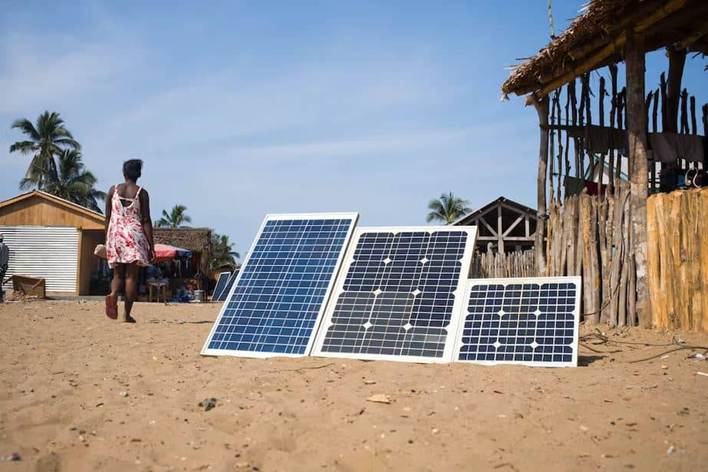
Image Source: sun-connect.org
Component Quality Issues
Counterfeit or substandard PV modules, batteries, and inverters degrade quickly from dust buildup, loose wiring, and thermal expansion in rural climates. Batteries suffer from inadequate ventilation and over-discharge designs, while inverters fail due to grid surges in hybrid setups without robust mechanical enclosures. Poor balance-of-system parts, like weak mounting structures, succumb to wind and terrain vibrations, accelerating structural fatigue.
Environmental and Operational Flaws in Nigeria’s Solar Mini Grid
Vibration analysis detects early issues like inadequate lubrication or misalignment, allowing timely interventions before accelerated wear occurs.
Designs often ignore rural dust accumulation on panels and mechanical linkages, requiring frequent but neglected cleaning that clogs cooling systems.
Lack of modular, pre-assembled frames increases installation errors and transport damage over rough terrain, compromising mechanical integrity. Inadequate flywheels or dampers in generator sets allow voltage/frequency fluctuations, stressing rotating mechanical parts in islanded operations.
Engineering Solutions: Key Trends & Moving Forward
Productive Use Integration: Developers are increasingly focusing on powering mechanical “productive-use” equipment—such as fish drying or rice processing machines—to stimulate local economies and ensure mini-grids remain financially viable.
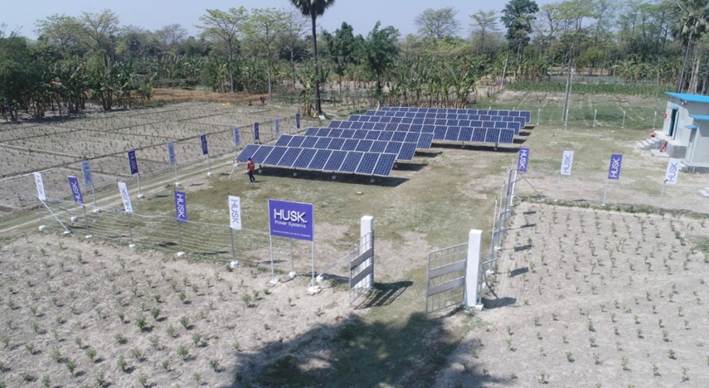
Image Source: techcrunch
To combat high failure rates (historically 50–100% in some Sub-Saharan contexts), agencies like the Rural Electrification Agency (REA) are working to implement minimum technical standards and better quality control for imported mechanical equipment.
Train Local Installers: Standardize imported PV components and train local installers via national curricula to cut technical failures.
Preventive Maintenance : Implement preventive maintenance with remote monitoring for real-time fault detection and O&M (Operations and Maintenance) plans using local technicians.
Durable Designs: Promote durable designs resilient to environmental stress, hybrid backups, and circular recycling for end-of-life waste.
Maintenance Practices to Reduce Mechanical Wear in Solar Mini Grids
Key Practices
Regular preventive maintenance practices, such as lubrication and vibration monitoring, significantly reduce mechanical wear in mini-grid components like diesel generators and engines. These approaches extend equipment life, minimize downtime, and lower operational costs in off-grid systems.
Routine oil and filter changes ensure proper lubrication, reducing friction and internal wear on engines and bearings.. Scheduled inspections of belts, bearings, and fuel systems prevent fatigue and contamination-related failures.
Predictive Strategies
Condition monitoring with sensors tracks parameters like bearing temperatures and vibration levels to predict failures proactively. Avoiding excessive generator cycling through optimized load controls minimizes start-stop wear in hybrid mini-grids. Using high-quality fuels and regular cleaning maintains system efficiency and reduces injector or exhaust component degradation.
Implementation Tips
Follow manufacturer schedules with daily visual checks, weekly lubrication, and monthly filter replacements for rotating machinery. Integrate CMMS software for tracking and AI-driven alerts to shift from reactive to predictive maintenance. Train teams on checklists to ensure consistent execution across mini-grid sites.
Mechanical Design Standards for Nigerian Environments
To prevent high failure rates common in rural Sub-Saharan contexts, developers are adopting specific mechanical standards tailored to Nigeria’s climate:
Thermal & Dust Resilience: Systems are increasingly designed with enclosures and PV module orientations (often a 10° to 15° tilt depending on latitude) that minimize dust accumulation and maximize self-cleaning during rain.
New joint ventures with Chinese firms in 2025 focus specifically on adapting storage systems to high temperatures and humidity.
Mounting Structure Durability: Standards such as UL 2703 for mounting systems and IEC 61853-1 for temperature performance measurements are critical for ensuring structures can withstand high wind loads and corrosive rural atmospheres.
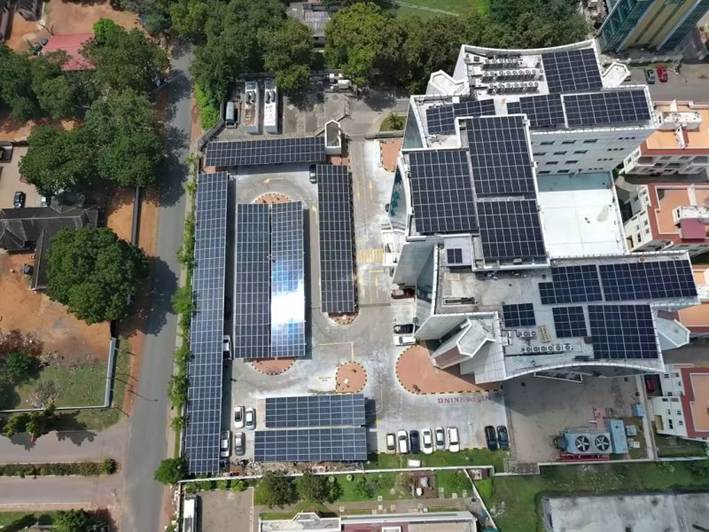
Battery Enclosure Engineering: Mechanical design now prioritizes ventilated, theft-proof enclosures to prevent overheating. Best practices include maintaining a depth of discharge (DoD) below 30% daily to preserve mechanical battery life in hot climates.
Standardized Modular Design: To facilitate local repair, there is a shift toward modular mechanical components that use standardized fasteners and mounting rails, reducing the need for specialized imported tools during maintenance.
Nigeria’s Solar Mini-Grid Financial Sustainability
Productive-use (PUE) machinery—performs mechanical work and is now the primary driver of mini-grid financial sustainability. It can reduce electricity production costs by up to 25% by increasing daytime load.
Agro-Processing Equipment: Solar-powered rice hullers, grain mills, and oil pressers are being deployed to rural agricultural centers to replace expensive diesel-driven mechanical units.
Cold Chain Infrastructure: 2025 projects, funded by the $750 million DARES (Distributed Access through Renewable Energy Scale-up) program, prioritize walk-in cold rooms and solar-powered freezers to reduce post-harvest losses for farmers.
Water Pumping & Irrigation: Mechanical solar pumps are a cornerstone of new rural mini-grids, providing reliable irrigation that allows for year-round farming.
Small-Scale Industrial Tools: Mini-grids are increasingly powering high-torque mechanical tools for welding shops and tailoring centers, enabling local business growth beyond daylight hours.
Summary
In 2025, Nigeria’s solar mini-grid expansion increasingly relies on specialized mechanical engineering standards to withstand local environmental extremes and the integration of “productive-use” machinery to ensure economic viability.
While financial and policy hurdles are often highlighted, mechanical and technical engineering challenges remain critical barriers to the long-term sustainability of Solar Mini Grid rural installation in Nigeria. specific mechanical design standards recommended for Nigerian rural environments
“““““““““““““““““““““““““““““““““““““““““““““““`
At our Occupational Health and Safety Blog, we are guided by a set of core values: Upholding the highest standards of honesty and ethical behaviour to provide accurate, up-to-date, and reliable information. We firmly believe in transparency and authenticity in all our content and interactions.
Join us and unlock a world of online courses in Mechanical Engineering, Occupational Health and Safety, Fire Safety, and Environment and Sustainability. Propel your career to new heights.
Propel your career to new heights.
Connect now and take the next step toward professional excellence!
+91 7569034271
Let’s connect together on: Facebook, YouTube, LinkedIn, and Instagram.