Disclaimer :
***Ken Institute offers online professional certification programs for skill development and career advancement, with no affiliation to UGC, AICTE, or NAA and no claim of degree equivalence. Except for the MBA, where Ken Institute acts only as an industry & knowledge partner, the degree is awarded solely by Datta Meghe Institute of Higher Education & Research (DMIHER-DU).

Ken testimonials

Hear directly from students and industry leaders who have transformed their skills and confidence through our programs. Browse their testimonials to understand the impact, progress, and real-world results they’ve achieved along the way.

Betty Akoth

EHS Officer, C-care IHK, Uganda

The course was very insightful, and I learned a lot, especially about waste management. For instance, I was not aware that all waste should not end up in landfills. Some waste can be recycled and transformed into useful products, promoting resource conservation and environmental sustainability.
Patrick Okurut

Quality controler, Sinotruk international, Uganda

The course has been a valuable learning experience for me. I have learned how to conduct root cause analysis to identify the underlying reasons for incidents, apply the hierarchy of controls to manage workplace hazards effectively, and understand the safety considerations associated with different working conditions, such as working at heights, in confined spaces, and around high-voltage equipment. Additionally, I have gained knowledge of material hazard analysis and the importance of identifying and assessing potential risks to ensure a safer working environment. Overall, this course has enhanced my understanding of workplace health and safety practices and strengthened my ability to identify and control hazards effectively.
MD Arpan Mollik

Senior HSE engineer, Nesman & Partners, Bangladesh

I have improved my knowledge of occupational health, safety, environmental management, such as- Proper coordinations, hazard identification, risk assessment, emergency rescue plans and accident prevention. I will apply these skills in my workplace to improve safety performance and promote a positive HSE culture.
Nelson Mayo

Safety inspector, Citic Middle East, United Arab Emirates
– Learnt lock out/tag out systems. – Increased my knowledge on electrical safety measures. – Work at height measures. – And I was able to build a balance between reasonably practicable and unpracticable, judging the consequences of hazards to determine the safety measures to be implemented.
Arun Geo Linus George

HSE Supervisor, ACWA Operations, United Arab Emirates

From the beginning to the end of the course, I developed a much stronger understanding of occupational health, safety and environmental management at both operational and strategic level. I learned how to critically assess HSE practices, analyse workforce perceptions, identify underlying causes, develop improvement strategies and prepare a business case for management approval. Going forward, I will build stronger HSE systems by improving contractor management, workforce involvement, competence assurance, risk control, monitoring and continual improvement. I will also use these learning outcomes to support better decision-making and create a more proactive HSE culture in my workplace.
NDIAYE LAMINE CISSE

HSE Officer, Taranis, Senegal

I have learned and better understood HSE policy, hazards identification and risks assessment, preventive measures identification and implementation. I gained higher skills for implementing a solid HSE management system and building a strong safety culture at work.
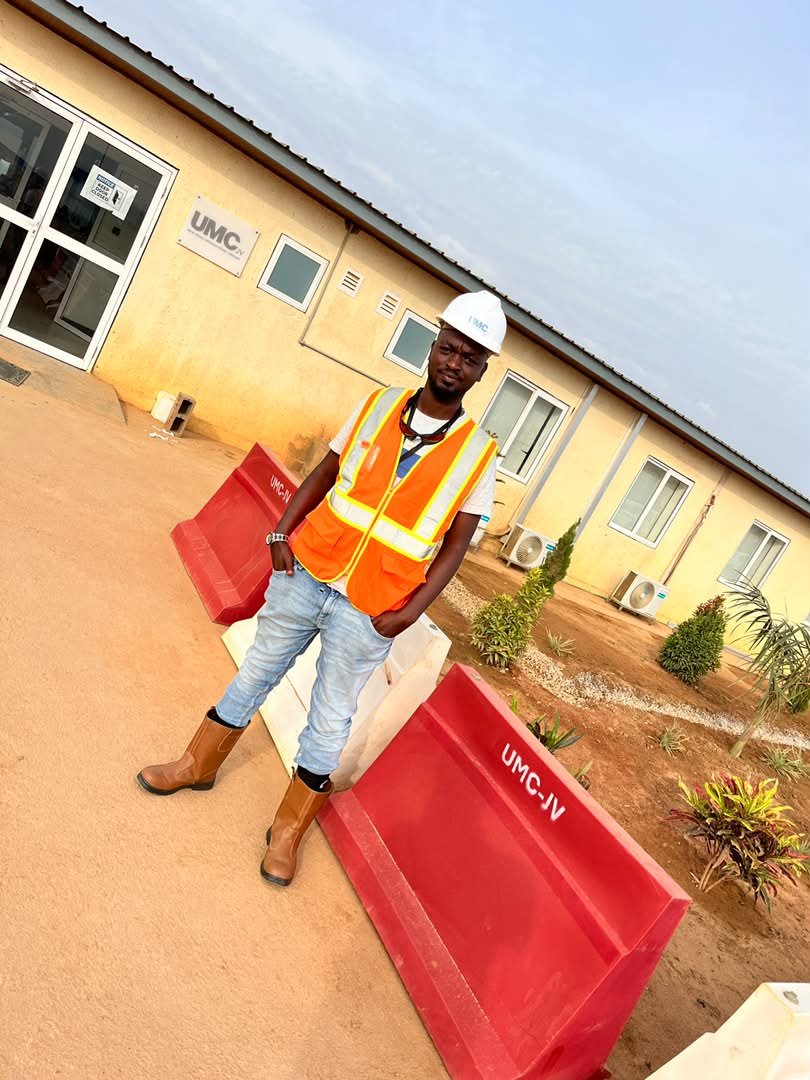
Fred NIYONZIMA

HSE Engineer, UMC-JV, Rwanda

From the beginning to the end of my studies, I learned the core principles of Health, Safety and Environmental Management. I learned how to identify hazards, assess risks, and apply control measures using the hierarchy of controls. I also learned about safety legislation and standards, incident investigation, emergency preparedness, and workplace inspections and audits. Through my project, I learned how to apply theory in a real workplace by observing conditions, collecting data, analysing findings, and recommending practical improvements. Overall, I gained the knowledge and confidence to promote a safe, healthy and environmentally responsible workplace, and I developed skills in teamwork, report writing and communication.
Tebo Jacqueline Sedigeng

SHE Officer, Ore Delivery/Cleaning and Dust Management , Botswana
I have gained more experience regarding importance of Health and safety at the work place and the environment
Muhammad Younas

HSSE Manager, CAT International L.L.C, Pakistan

At the beginning of the course, I had a basic understanding of the subject, Throughout the course, I gained valuable knowledge, improved my skills, and developed a better understanding of how to approach challenges professionally. By the end of the course, I feel more prepared and capable of applying what I have learned in my daily work. I will build on these skills by continuously improving my knowledge, sharing what I have learned with my team, and applying the lessons in practical situations.
MUTENDELE JOSEPH

Production shift manager, Dangote Cement Plant, Zambia
I have gained deeper knowledge of occupational health and safety, environmental management, risk assessment, hazard identification, emergency preparedness, environmental sustainability, legal compliance, and safety management systems. The programme has strengthened my ability to identify risks, evaluate their potential impacts, and develop practical controls that support both employee wellbeing and operational performance. I intend to build and contribute to safer, environmentally responsible, and more efficient industrial workplaces. I will apply the knowledge gained to strengthen workplace risk management, improve safety culture, support environmental compliance, and promote sustainable operational practices.
RUTENDO Elija

SHE OFFICER, SHE OFFICER, Zimbabwe

As a student of the Master’s in Health, Safety and Environmental Engineering at Ken Institute Executive Learning, I have gained valuable knowledge in occupational health, safety, environmental management, and risk assessment. The course has improved my professional skills, confidence, leadership, and ability to apply theory to real workplace situations. Going forward, I will use the knowledge gained to improve SHE practices, strengthen workplace safety, and continuously develop myself as a competent SHE professional and future SHE Manager.
Gift Hijarunguru

Fitting and Turning Training Officer, Namibian Institute of Mining and Technology, Namibia

The course has improved my technical and analytical skills through subjects like Strength of Materials and Engineering Design.I learned the scientific principles behind machines. I’ve learned how to think critically and to solve problems systematically. This course has helped me improve personal and career development skills. It instilled discipline,teamwork,time management and safety awareness. The course also helped me from being a user of technology to becoming a creator and problem solver. Course provided the knowledge to design and hands to build.
Ellen Nkrumah

Entrepreneur, Ghana

At the beginning of the course, I had limited knowledge about health and safety. During the course I learned about leadership skills, hazards control and management. Now I am more confident to apply these concepts at workplace and every where I find myself. Overall my learning experience with Ken Institute was excellent. The trainers were knowledgeable and materials were well structured.
Nambertus Petrus Baguma

HSE OFFICER, CRJE EAST AFRICA COMPANY LTD, Tanzania
When I joined the Master’s Honours in HSE Management in November 2025, I saw safety mainly as compliance: inspections, checklists, PPE and toolbox talks. I worked on construction sites in Zanzibar and knew what had to be done. I did not yet fully understand why systems succeed or fail. I learned to evaluate hazards, apply the hierarchy of controls and prioritise by severity and likelihood. The 15 Villas Construction Project case study taught me to assess practices against recognised standards and legislation, then build a strategy and business case from the gaps. I built a stronger HSE culture on my current company, through leadership engagement, worker consultation and better reporting. A career as a senior HSE professional who influences policy and mentors young safety officers. I began the course as someone who enforced safety rules. I finish it as someone who can design, manage and improve safety systems.
Cherwyn Walters

HSE Co-Ordinator, Aguilar Wind Services, South Africa

I have Learned that safety is more than just paper work and inspection checklist it’s about building a culture
JULES BAHATI, MIHIGO

OHS SUPERVISOR, KIBALI GOLD MINE, Democratic Republic of Congo

Since the beginning of my training at the KEN Institute, I have significantly improved my perception and understanding of safety. I have developed stronger skills in hazard identification, risk assessment, and the implementation of appropriate control measures. Today, I feel better equipped to apply the knowledge and skills I have acquired throughout this training, enabling me to effectively contribute to promoting a strong and proactive safety culture in my workplace.
Sohail Mohiuddin Syed

Facility Safety Complaince Engineer, JHAH

Transformation Witnessed: From Course Beginning to End At the beginning of the Master’s Honors in HSE Management programme, I already had practical experience in occupational health, safety, environmental management, and facility compliance. However, the programme helped me develop a more structured and strategic understanding of HSE management. Throughout the course, I strengthened my knowledge in risk management, safety leadership, environmental sustainability, compliance monitoring, incident investigation, contractor management, performance measurement, and continual improvement. I also learned how to use leading and lagging indicators, root-cause analysis, risk-based decision-making, and management systems to improve workplace HSE performance. The programme changed my approach from mainly focusing on hazard identification and compliance to viewing HSE as an integrated management function that supports employee wellbeing, environmental responsibility, operational continuity, and organizational performance. Going forward, I aim to build stronger HSE systems by improving digital compliance monitoring, contractor competency management, near-miss reporting, environmental performance measurement, workforce participation, and proactive safety culture. I also intend to continue developing my leadership and technical skills and apply the knowledge gained from this programme in my current and future professional roles.
Bokamoso Meshack

SHE Manager, KBL, Botswana

I have gained exprience in environmental protection and promotion of safe workplace to employees through some training i conduct how to identify hazard in the workplace,how to carryout risk assessement,risk evaluation and implemetion of cotrol measure to prevent incidents .
Jithin Jose

HSSE Manager, Total Energies, India

The Master’s in HSEM has helped me develop from primarily focusing on operational HSE management to looking at HSE from a broader strategic and leadership perspective. With more than 14 years of experience in the HSE field, I already had strong practical exposure, particularly in large-scale renewable energy projects. However, this course helped me connect my practical experience with management principles, leadership, sustainability, risk-based decision-making and organizational performance. Throughout the programme, I have improved my ability to analyse HSE challenges from both operational and business perspectives and to develop practical solutions that support people, projects and organizational objectives. Going forward, I intend to use this learning to strengthen HSE culture, develop more effective management systems and contribute at senior and corporate HSE leadership levels.
Jorge Manuel Coelho Muianga

EQUIPMENT INSPECTION SUPERVISOR, VULCAN MOZAMBIQUE, Mozambique
During my master’s studies, I faced many challenges, but the learning materials provided by the Ken Institute of Executive Learning helped me develop both technical knowledge and a more analytical approach to problem-solving. The experience also reinforced an important lesson: engineering decisions must consider environmental protection and the needs of future generations. My studies strengthened my understanding of Mechanical Engineering, and I chose to specialize in renewable energy. I explored heat-to-electricity conversion, hydropower, solar and wind technologies, sustainable materials, and energy efficiency. I also studied nuclear energy, diesel-cycle efficiency, gas turbines, and the Brayton cycle as part of a broader examination of energy systems. Beyond my specialization, I developed knowledge of rotational vibration and its effects on machinery. This was particularly valuable for my final project, which involved the design and assessment of shafts, bearings, gears, structures, and other machine components. I also strengthened my skills in: • Stress and failure analysis: Assessing components under tension, compression, bending, and torsion, as well as investigating fatigue, wear, and fracture. • Finite element analysis (FEA): Simulating component behavior under mechanical loads, vibration, and temperature changes. • Material selection: Choosing materials according to strength, hardness, toughness, wear resistance, and operating conditions. • Root cause analysis: Identifying the underlying causes of equipment failures and developing lasting solutions. • Mechanical vibration analysis: Diagnosing misalignment, imbalance, excessive clearance, and bearing problems. As an Equipment Inspection Supervisor in coal processing plants, I can apply this knowledge to anticipate failures, improve inspection plans, assess structural integrity, and increase equipment reliability. It also supports practical improvements to shafts, crushers, pumps, and conveyor systems.
Baoagi Omphile

Fire prevention and emergency officer, Botswana Power Corporation, Botswana

After completing my course with KEN Institute, I have gained the knowledge and confidence to build a strong team of fire prevention officers and implement practical fire safety and protection measures, including effective fire equipment maintenance. The course has helped me apply these skills more effectively in my organisation and contribute to a safer workplace. Ken Institute is more advanced learning platform more so that if one missed a live session there are recorded sessions for one to go through and learn at convenient time.
Eyrika Melaine Mijurielle Nganga

QHSE Technician, Expro, Congo

I learned to lead strategic safety operations and build automated risk, emergency, and compliance management systems into my organization throught the course
Kentse Letsweletse

Fire Officer, Debswana Mining Diamond Company, Botswana

I have learned more a lot about fire safety including the current technology change and adaptation to the current evolution on fire related aspects.
GOBE OITSILE

Chief Technical Assistant, CITY OF FRANCISTOWN COUNCIL, BOTSWANA
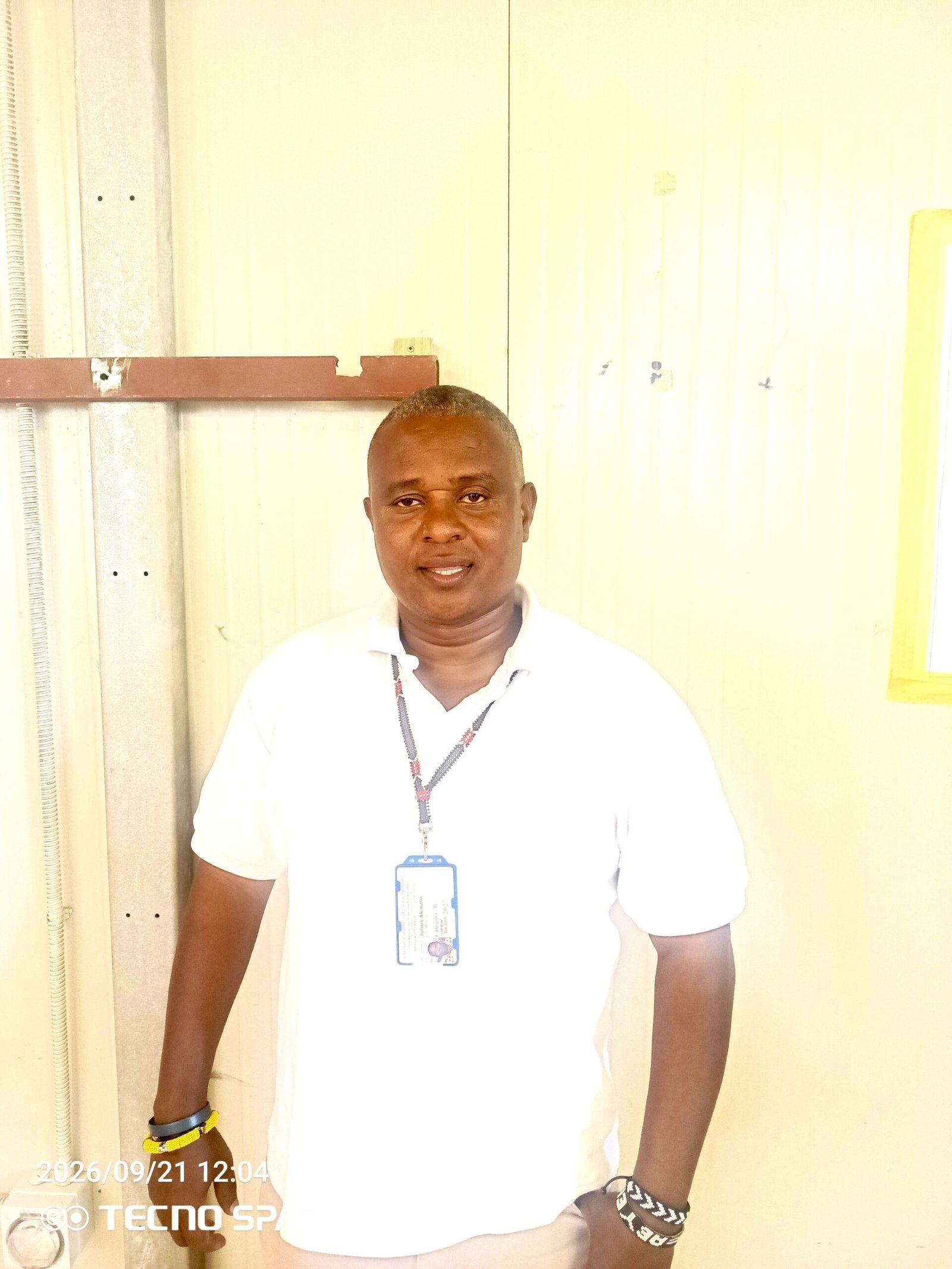
At the beginning of my Diploma in Mechanical Engineering, inhad limited knowledge but strong in in engineering. Throughout the course,i learned how machines work,how to solve engineering problems, and how to design and maintain Mechanical systems. The course has built my confidence, practical skills,and problem solving abilities. I am ending the course mpre knowledgeable, skilled,and ready to use what i have learned to build and improve Mechanical systems.
Julius Akwalu

Facilities Manager, United Nations Interim Security Force for Abyei , Kenya
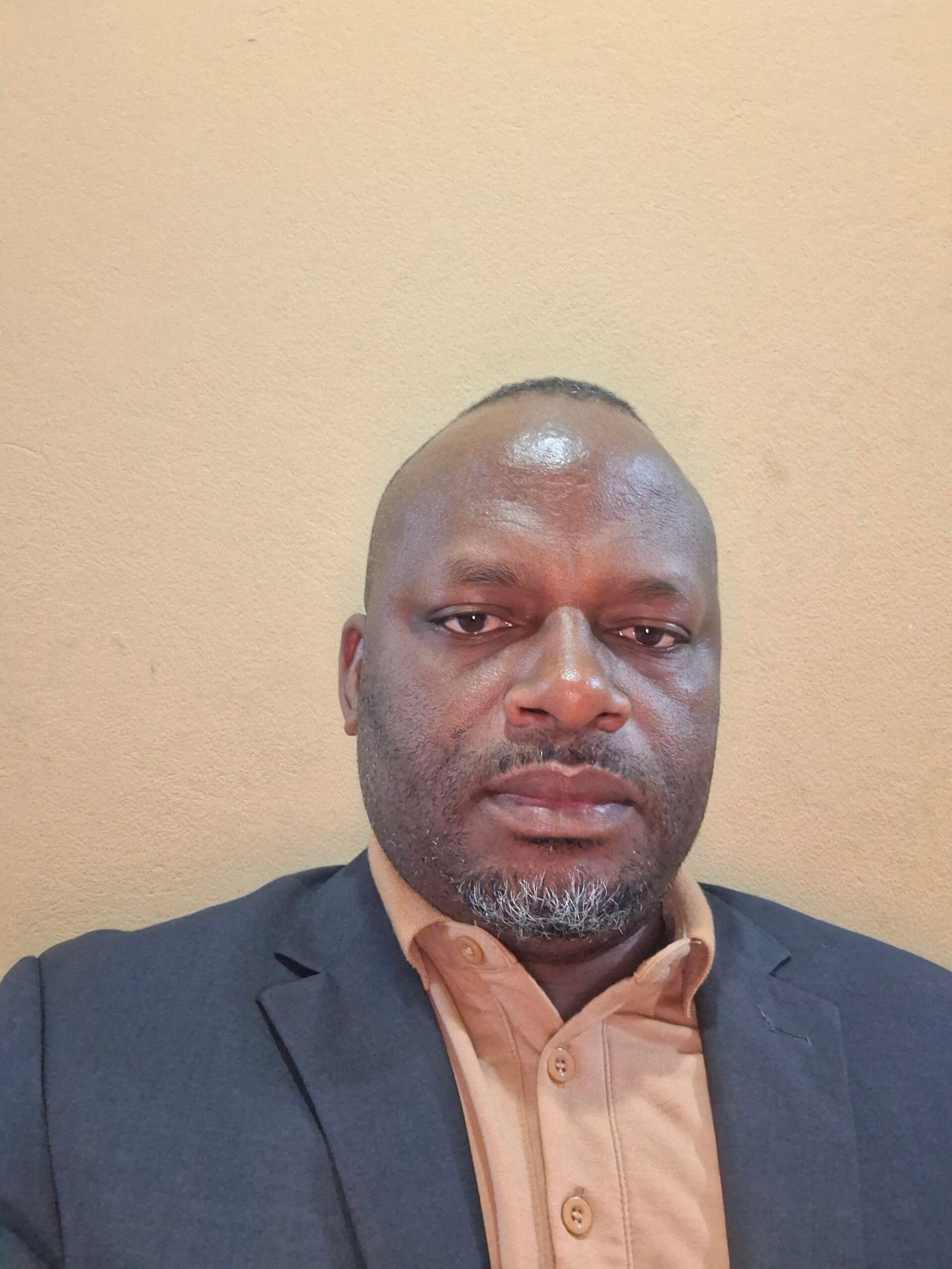
Through the course, I gained a deeper understanding of health and safety principles, risk assessment, hazard identification, incident prevention, emergency preparedness, and the responsibilities of both management and employees in creating a safe work environment. As a Facilities Manager, I will build on this knowledge by strengthening health and safety practices within my workplace. I will focus on improving safety awareness among staff, conducting regular risk assessments, ensuring compliance with safety procedures, and promoting a culture where everyone takes responsibility for their own safety and the safety of other
Mauricio Vilanculo

HSE Specialist - Occupational Safety, Sasol Petroleum Temane, Mozambique

I have strengthened my knowledge in the field of occupational health, safety and environment and also gained practical experience in managing HSE in any type of industry including construction, oil and gas (petrochemical), mining and agricultural. The engagement sessions throughout the entire course were pivotal for my success and helped boost my career aspiration in HSEQ. I have enjoyed each and every step of my studies
Bibiano Anastacio

QHSE Manager, MAXAM CPEA, Angola

At the beginning of the course, my knowledge was primarily based on professional experience and practical exposure. Throughout the programme, I developed a more structured, strategic, and academic understanding of Health, Safety, Environment, Quality, and integrated management systems. I learned how to critically analyse organisational risks, identify improvement opportunities, apply international standards and best practices, and connect QHSE principles with business strategy and organisational performance. The programme also strengthened my skills in research, critical thinking, problem-solving, leadership, and evidence-based decision-making. By the end of the course, I had built a stronger professional and academic foundation that enables me to approach QHSE challenges from both operational and strategic perspectives. I also developed the ability to transform practical workplace challenges into structured improvement initiatives, supported by appropriate methodologies, standards, and measurable objectives. Overall, the course transformed my perspective from primarily managing QHSE activities to understanding how QHSE can contribute strategically to organisational resilience, sustainability, operational excellence, and long-term business performance.
Chinnadurai Mohandass

WSH Coordinator, Jkk technology international ptd ltd, India

Transformation Witnessed: From Course Beginning to End *At the Beginning of the Course:* When I started this course, I thought safety was only about wearing PPE like helmets and safety boots. I had very basic knowledge. I did not know about Singapore WSH Act, Risk Management, or the 20 elements of Safety Management System. This course completely changed my mindset about safety. *Legal Knowledge:* I learned about WSH Act, WSH Regulations, *Risk Management:* The most important learning. How to identify hazards, evaluate risk using 5×5 matrix, and control risks using Hierarchy of Controls. 4. *Practical Skills:* I learned about Work Permit System, Hazard Analysis, Accident Investigation, Heat Stress Management, Emergency Preparedness, Control of Hazardous Substances, and WSH Audits. 5. *Safety Culture:* I learned that safety is not just a rule, it is a culture. A good safety culture can prevent accidents. *What I’ll Build for the Future:* With this knowledge, I will not just be a worker, I will be a *Safety Leader*. – *In My Workplace:* I will build a *Zero Accident Culture*. I will apply what I learned to do proper toolbox talks, conduct safety inspections, and ensure Risk Assessment is done for every high-risk job. – *For My Team:* I will train my co-workers about heat stress, working at height, and safe work procedures. I will be a buddy who looks out for others. – *For My Career:* I want to build my career as a WSH Coordinator / and continue to WSH Officer. This course is the foundation for my growth in Singapore construction industry. *In one line: I came as a worker who follows safety rules, I am leaving as a person who will create and lead safety
Yayah Bah

Safety Officer, Kouroussa Gold Mining, Guinea
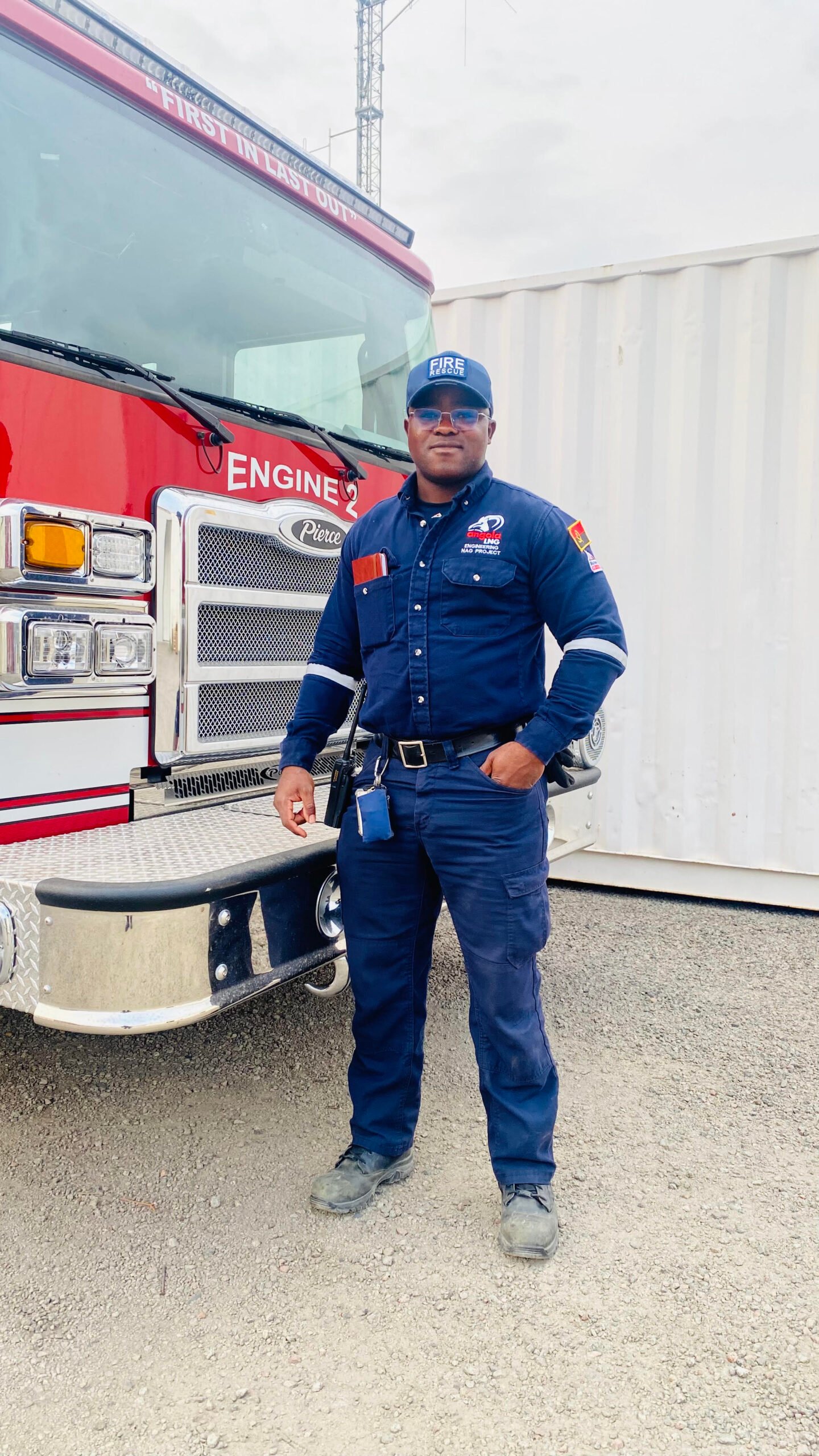
At the beginning of the course, my understanding of some safety concepts, tools, and systematic approaches was mainly based on my practical experience. Throughout the course, I developed a deeper and more structured understanding of how to identify hazards, assess risks, investigate incidents, and implement effective corrective and preventive actions.
Victorino Francisco

FIREFIGHTER, angola lng, Angola

At the start of this Fire Safety Course, my understanding of fire prevention and emergency response was largely practical and experience-based. Through the structured modules, I gained a deeper technical foundation: learning how fire behaves, the standards that govern safe operations (NFPA, OSHA, ISO), and the specific risks posed in oil & gas environments such as explosive atmospheres and confined spaces. Beyond theory, the course sharpened my practical skills. I learned to document incidents with precision, apply intrinsically safe equipment in hazardous zones, and lead effectively under the Incident Command System. These lessons strengthened my confidence in guiding teams during emergencies and reinforced the importance of compliance as a daily discipline rather than a checklist. The transformation was not only technical but personal. I developed resilience through simulated drills, improved communication for high-pressure situations, and embraced accountability as a leader. Safety became more than a responsibility—it became a culture I am committed to building. I Built: Workflow diagrams for rescue plans, streamlining approvals and empowering decision-making. Automated authorization systems for operational cards, reducing delays and improving service. Regular team development activities—drills, safety walks, and investigation exercises—to keep the HES team sharp. Formal and ceremonial communication that respects both professional standards and cultural traditions. Closing Thought This journey transformed me from a participant in safety practices to a builder of systems that embed safety into operations.
KGOMOTSO BOIDITSWE-KUTUSO

GEAR MINING CONSTRUCTION, BOTSWANA

When I started this course, my understanding of Health, Safety and Envionmental Management was largely operational-focused on compliance, checklist and incident response. Today, as I complete my Graduate Honors in Health, Safety and Environmental Management, my perspective has completely transformed. Overall, my learning journey with Ken was very impactful and tranformative. Ken was very impactful and transformative . Ken is knowledgeable, passionate about HSE, and always willing to share practical examples from the field, which made theory easier to understand.
Hermenegildo Bahule

Mechanical Technician, Electricity of Mozambique, Mozambique
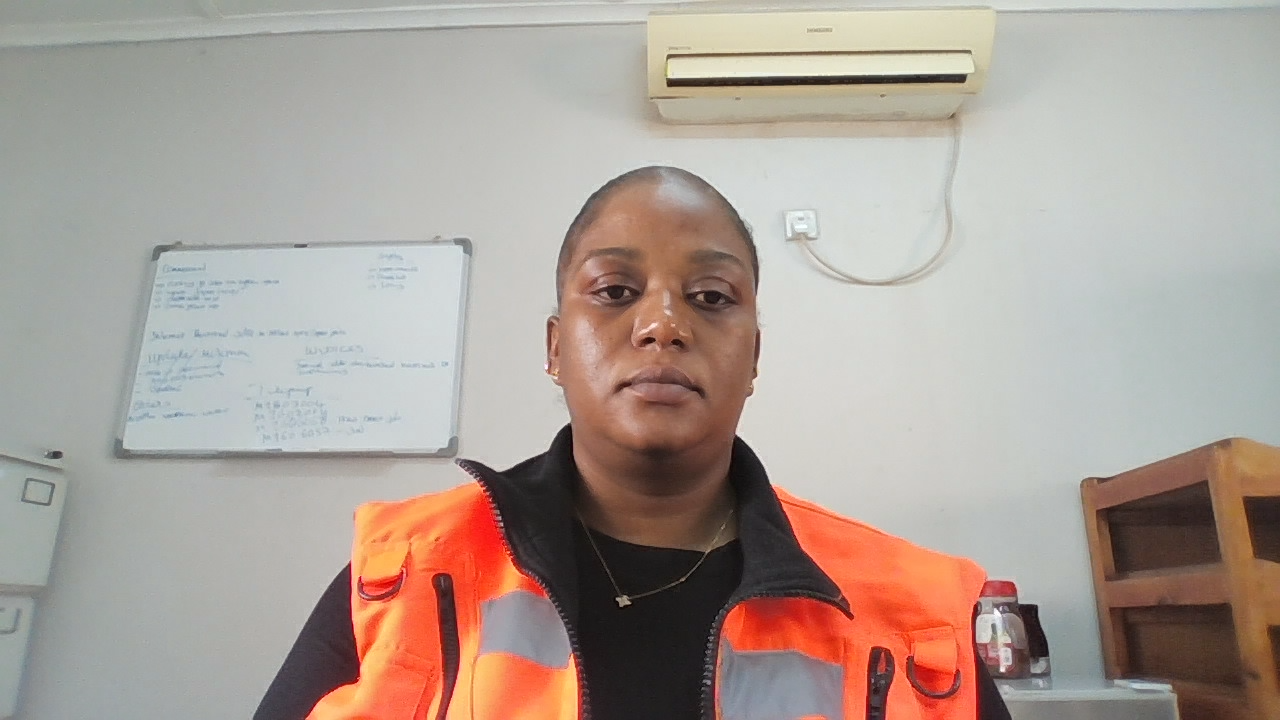
What I’ve learned: I have developed stronger theoretical and practical knowledge in Mechanical Engineering, particularly in maintenance, mechanical systems, problem-solving, and engineering analysis. What I’ll build: I will apply these skills to improve equipment reliability, maintenance practices, safety, and efficiency in industrial and power-generation environments.
CHUNGU CHUPI

SALES/SAFETY OFFICER, MARTHINUSEN AND COUTTS, ZAMBIA
1. I HAVE LEARNT THE IMPORTANCE OF SAFETY ESPECIALLY IN WORKPLACES 2. I WILL BUILD TEAMWORK AND INVOLVING EVERY EMPLOYEE AND MANAGEMENT WHERE SAFETY IS CONCERNED
Nhlanhla Conan Seyama

Engineering Manager, Companhia De Sena Sugar, Mozambique

From Course Beginning to End, I gained advance knowledge in the design and automation of mechanical system, thermal and fluid systems. With this knowledge I am able to analyze mechanical systems malfunction and efficiency improvement.
Azam Khan Yousufzai

Environmental Manager, Bulk Earthworks Activities & Rough Grubbing, Saudi Arabia
Throughout my Master’s journey in Environmental and Sustainability Management at KEN Institute, I have developed a deeper understanding of environmental sustainability, responsible resource management, and the importance of integrating sustainability principles into organizational and community development. The program has strengthened my analytical, research, and problem-solving skills and has helped me understand how sustainable practices can contribute to long-term environmental, social, and economic value. Moving forward, I aim to apply this knowledge professionally by contributing to sustainable development initiatives, implementing practical environmental solutions, and supporting organizations in achieving their sustainability goals.
Kangwa Kampamba

Mechanical Supervisor, First Quantum Minerals, Zambia
I have learned mechanical engineering theory and I want to apply it in my present career as mechanical supervisor
Kasmiry Mwabena

Safety manager, Vana ivan limited, Tanzania
I have learned many things from my course, also we practice in different institutions concerning environmental issues, working places, mining activities. We have done a lot of matters from my course, like safety issues, environmental issues and occupation safety and health like in mining, industries places.
WIESLAW SWISTOWSKI

Construction Project Manager,CBRE GWS UK, United Kingdom

Throughout my academic pursuits, I have augmented my comprehension of international health and safety standards, as well as the relevant legal regulations in the United States, the European Union, and Australia. Furthermore, we examined a diverse array of compelling case studies related to incidents within factories, warehouses, and comparable facilities, thereby significantly enriching my educational experience. experience.
SAMPA CHOKOLO

Safety Superintendent, Mopani Copper Mines Plc, ZAMBIA
Through the knowledge and skills acquired, I have learned that safety culture, whether positive or negative, has a significant influence on an organisation’s productivity, employee engagement, and overall performance. A strong positive safety culture promotes safe behaviours, accountability, effective communication, and continuous improvement, while a negative safety culture can contribute to unsafe practices, incidents, low morale, and reduced productivity. I have also gained a deeper understanding of the importance of psychological safety in the workplace, where employees are able to openly express their views, raise safety concerns, report hazards, and challenge unsafe practices without fear of intimidation, victimisation, or retaliation. Creating such an environment is essential for encouraging employee participation and ensuring that valuable safety information reaches management. From a practical occupational health perspective, I have strengthened my understanding of the management of radiation materials and the importance of monitoring occupational health stressors. These include personal noise exposure, noxious gases such as SO₂, illumination levels, thermal conditions and heat stress, as well as ensuring that occupational exposures remain within applicable Occupational Exposure Limits (OELs). Effective monitoring and control of these hazards are critical to protecting employees from both acute and long-term occupational health effects. With the knowledge and competencies acquired, I will contribute to making the HSE Department more proactive, prevention-focused, and data-driven. I intend to support the implementation of effective programmes and initiatives that promote Zero Harm, psychological safety, employee participation, continual improvement, and long-term organisational sustainability.
Ernesto Clerens

Maintenance Supervisor,ETU ENERGIA, Angola
I learned to solve engineering problems, desing machines and turn ideas into practical Solutions.
Leon Roopchand

HSE Co-ordinator, Weathershield Systems Caribbean Limited, Trinidad & Tobago

Having 10 years of experience in the field before starting this course, I already had practical knowledge of Health, Safety and Environmental Management. What this course gave me was deeper understanding and a more strategic perspective. It transformed the way I assess risks, approached problems, and developed solutions. I built greater confidence, stronger critical thinking skills and a broader understanding of how HSE can drive continuous improvement. Overall, the course didn’t just add to my experience, it elevated it.
THAPELO BILE

SHE OFFICER, EH CONSTRUCTION, BOTSWANA
This programme enhanced my expertise in advanced SHE systems, risk management, ICAM investigation, compliance, and sustainable engineering. It enabled me to transform theory into practical solutions—strengthening hazard controls, workplace safety, SHE culture, and environmental responsibility. The knowledge gained has empowered me to drive safer, compliant, and more sustainable engineering practices.
Kassim Fundi

Process Plant Engineering Foreman, Shanta Singida Gold Mine, Tanzania
I have learned a great deal, and I am committed to applying the excellent training I received to achieve results in my profession
Tebele Ndiwa Beauty

SHE Officer, EH Construction, Botswana
I have learnt how to conduct SHE site inspections, how to identify non conformaties and recommend for the corrective actions I have also learnt how to apply the hierarchy of controls when managing the workplace risks
Abid Ullah Khan

Environment & Sustainability Manager, Al Dafe Trading & Contracting Company, Saudi Arabia

Throughout the Master’s (Honours) in Environment and Sustainability Engineering, I have developed advanced knowledge and practical skills in environmental management, sustainability, engineering principles, and sustainable development. The course has enhanced my understanding of how environmental challenges can be identified, assessed, managed, and addressed through engineering and sustainable solutions. I have developed the ability to design and implement practical, technically sound, and sustainable environmental solutions for real-world engineering and construction projects.
RAJANY KAFUANA

HSE Supervisor, Saipem Luxembourg, Angola

I have learnt a lot, more especially on Monitoring the safety management system and the techniques to identify the hazards at workplace. For sure the learning experience from KEN will be shared in my daily approach spot checks at my workplace.
YABINZE GEOFREY

ASSISTANT LINESMAN-CONNECTION, UGANDA ELECTRICITY DISTRIBUTION Ltd, UGANDA

This training transformed my approach to hazard identification and risk management.I started with a basic awareness of safety protocols and finished with a deep understanding of incident prevention, compliance standards and emergency response.I Lea how to conduct thorough risk assessment and spot hidden vulnerabilities.I used these skills to build a comprehensive proactive hazard mitigation plan and an updated emergency evacuation strategy.
EMMANUEL ADU-KORANG

EHS MANAGER, MELCOM GROUP OF COMPANIES, Ghana

From the start of my Master’s program to its end, there has been considerable growth in both my professional and personal lives. The program has increased my expertise and practical experience in the areas of Environmental Health and Safety (EHS), sustainability, risk management, and workplace safety programs. It has also helped me to become more strategic in dealing with EHS issues, and made me more confident in using my knowledge in practice at the workplace. In the future, my goal will be to develop more sustainable EHS programs.
Stephen Benedict Ettey

Programme Officer (PO), Environmental Protection Authority (EPA), Ghana
What I’ve learned: At the beginning of the Health, Safety and Environmental Engineering program, I had a basic understanding of workplace safety and environmental protection. Throughout the program, I have developed a deeper understanding of hazard identification, risk assessment, accident prevention, environmental management, occupational health, emergency preparedness, and safety regulations. I have also learned the importance of creating safe and environmentally responsible workplaces. What I’ll build: I will use the knowledge and skills gained from the program to develop practical HSE solutions, including risk assessments, safety management systems, emergency response plans, environmental management strategies, and workplace safety improvement programs. These solutions can help organizations prevent accidents, protect workers, reduce environmental impact, and improve overall safety performance. My transformation: I have progressed from having a general awareness of health, safety, and environmental issues to being better equipped to identify risks, analyze hazards, and propose practical solutions. The program has strengthened my ability to think proactively and contribute to safer, healthier, and more sustainable workplaces.
Robert Simbaya

Mechanical Piping Superintendent, Kamoto Copper Company, Zambia
At the beginning of my **Graduate Honours in Mechanical Engineering**, I had a strong practical background in mechanical work, maintenance, fabrication, piping and industrial operations. However, the course helped me move beyond practical experience and develop a deeper understanding of the engineering principles, analysis methods and problem-solving approaches that support modern mechanical engineering. Throughout the course, I learned how to apply engineering theory to real-world mechanical systems and industrial challenges. I developed a stronger understanding of areas such as **thermodynamics, heat transfer, fluid mechanics, mechanical design, materials, energy systems, manufacturing and engineering analysis**. I also improved my ability to analyse engineering problems systematically, consider different design solutions and make decisions based on technical evidence. What I Have Learned The course has taught me to approach engineering problems from both a **theoretical and practical perspective**. I have learned that good mechanical engineering is not only about designing or repairing equipment, but also about understanding performance, reliability, safety, efficiency, sustainability and the environmental impact of engineering decisions. I have also developed stronger skills in **engineering calculations, technical analysis, problem-solving, design thinking and project-based engineering work**. These skills have improved my confidence in communicating technical ideas and evaluating engineering solutions. What I Will Build As a result of the course, I will be able to build and develop **practical mechanical engineering solutions** that respond to real industrial problems. This includes developing mechanical systems, improving equipment performance, analysing energy systems, supporting maintenance strategies and contributing to the design and improvement of industrial processes. I also want to apply my engineering knowledge to **energy-efficient and sustainable technologies**, including renewable energy systems, improved industrial energy utilisation and environmentally responsible mechanical systems. This knowledge can support the development of more efficient equipment and processes within mining, manufacturing and other industrial environments. Overall Transformation The transformation has been from being mainly a **practical mechanical engineering professional** to becoming a more **analytical, technically informed and solution-focused mechanical engineer**. The Graduate Honours programme has strengthened the connection between my practical industrial experience and engineering theory. I can now approach mechanical engineering challenges with greater confidence, combining **hands-on experience, engineering analysis, design principles, safety, efficiency and sustainability** to develop solutions that can create real value in industry.
Robert Nkashama Kapumba Kapu'ka

Specialized Safety Systems, Officer, Kamoa Copper SA, Democratic Republic of the Congo

I have learnt: • Ecological Systems: Understand how natural habitats function and maintain balance. • Resource Limits: Recognize the finite nature of water, energy, and raw materials. • Policy and Law: Learn the regulations that govern corporate and industrial environmental behavior. • Lifecycle Thinking: Analyze the total environmental cost of a product from creation to disposal. I will build • Sustainability Frameworks: Design corporate policies that reduce carbon footprints and waste. • Green Strategies: Create actionable plans for organizations to use renewable energy and ethical sourcing. • Impact Assessments: Measure and report environmental changes caused by business operations. • Community Initiatives: Lead local or corporate education programs on conservation and resource saving.
Charles WAWIRE TOKWINY

Wellpads & Offsite Interface Lead, TotalEnergies EP Uganda BV, Uganda
When I began this Master’s program, my understanding of occupational health, safety, and environmental practices was largely procedural. I focused on compliance checklists and technical standards, often overlooking the cultural and behavioral dimensions that sustain resilience. Over the course of my studies, I experienced a transformation in both mindset and practice. Each module reshaped my perspective, teaching me that effective HSE management requires not only technical assurance but also cultural maturity, leadership visibility, and workforce engagement. The module on Fire and Explosion Hazards taught me to move beyond reactive protection toward proactive risk assessment. Ergonomics and Manual Handling deepened my appreciation for workforce wellbeing, while Radiation and Temperature expanded my awareness of hidden hazards requiring monitoring and control. The study of Noise and Vibration highlighted long-term health risks, and Chemical Safety and Handling of Dangerous Substances strengthened my competence in hazard identification and compliance with ISO and national legislation. Additional modules on hazard evaluation, emergency planning, construction safety, electrical safety, and health management systems collectively taught me to analyze both observable and underlying indicators, apply triangulation methods, and embed resilience into governance frameworks. Professionally, I plan to embed behavior-based safety practices into induction and refresher programs, strengthen participatory reporting through digital dashboards and recognition schemes, and reinforce documentation discipline by digitizing QA/QC records. I will also elevate environmental stewardship to equal priority with occupational safety, embedding “Zero Harm to Environment” values into project culture. Personally, this program has reshaped my mindset toward continuous improvement. I intend to cultivate leadership visibility, peer accountability, and mentoring in my daily interactions, both atwork and in my community. I will prioritize lifelong learning, staying updated with evolving standards and best practices, and applying them to enhance resilience and sustainability.
Jomon V Joseph

PROJECT HSE LEAD, Al Basti & Muktha LLC, Dubai, India

I feel that I am now stronger in leadership, communication, and HSE decision-making skills.
Kojo Adu Yankson

Project site manager, Makam Plant Hire, Ghana
With LMS, I am able to train and interview workers online who attended safety induction. I’m able to do better risk assessment before work starts and this has reduced accidents and other hazard. Now I have learnt to link budget to safety.
Obedi Moloveria

Advisor, Community project at Bashu, Congo - Kinshasa

My experience with the LMS system has provided me with valuable knowledge and practical skills that I can apply directly in the workplace. The program also gave me the opportunity to gain exposure to international cultures and work with people from different countries, broadening my understanding of diverse working environments. I gained a strong understanding of the Training Resources Manual (TRM) and learned how to apply it during inspections by identifying findings, non-conformities, and other workplace issues. Most importantly, the learning helped me connect theoretical knowledge with the practical experience I have gained on site, particularly through my experience at Kibali Gold Mine and Byrnecut. Overall, the program has helped me connect the dots between training, inspections, compliance, and real-world site experience, strengthening my professional capabilities and confidence in applying HSE practices in operational environments.
Elonda Lisan

Safety officer, Kibali gold mining, Congo-Kinshasa
The diploma in health, safety &environnement as significantly strengthend my knowledge and confidence in managing workplace HES responsibilities. The program helpd me develop a better understanding of hazard identification, risk assessment, incident prevention, emergency prepaidness, environnement practices and safety management systems. I am now better equipped to apply those concepts in real whork place situations, identify potential risks proactively,And contribute more effectively to creating a safer healthier work environment.
Boyd Mwewa

Safety Officer, FQM Trident Ltd, Zambia
The Ken Institute of Executive Learning Pvt. Ltd. Has given me valuable insight into an area of safety that I had not fully understood before about contractor management. At FQM Trident, contractor management is an important function within the Safety Department, and the knowledge I gained from this training has given me a much better understanding of how contractors should be managed effectively. In particular, I have gained a deeper understanding of the contractor onboarding process, legal requirements, compliance obligations, and the necessary standards contractors must meet before being allowed to come onto site. This training has strengthened my knowledge and improved my understanding of the responsibilities involved in ensuring that contractors are properly assessed, inducted, and compliant with applicable legal and company requirements. I sincerely appreciate the Ken Institute of Executive Learning Pvt. Ltd. for equipping me with practical knowledge that I can apply in my daily work. The skills and understanding gained from this training will help me contribute more effectively to contractor management and ensure that daily work activities are conducted safely, efficiently, and seamlessly. Thank you, Ken Institute of Executive Learning Pvt. Ltd., for this valuable learning opportunity.
Mesiah Kebiditswe

SHE Officer, EH Construction, Botswana
The program helped me develop my managerial skills to a higher level and significantly strengthen my knowledge and skills in auditing criteria and Hazard Identification and Risk Assessment (HIRA). The practical learning has enhanced my ability to apply these skills confidently and effectively in a professional environment.
GIFT MOTLHABANE

LAB ANALYST, ALFRED H KNIGHT, BOTSWANA

I had a basic understanding of workplace health and safety, as i progressed through the course, my knowledge and understanding of OHS developed. I learned how to identify workplace hazards, asses and control risks and to promote a safe and healthy work environment. i have also gained knowledge of occupational health safety legalization, emergency preparedness, PPE, work place inspections, risk assessment and safety management system. Through my learning journey i have developed a strong understanding of the responsibility that both employer and employee have in preventing injuries, and accident. The course has transformed the way i look at workplace safety. i now see occupational health and safety not only as a set of rules and regulations, but as ana essential part of protecting peoples lives, health and the environment.
Clive Mubanga

HER Technician, Sandvik Mining and Rock Technology, Zambia

When I started at Ken Institute in September 2025 I was a working professional with field experience, but I lacked the academic foundation and structured engineering mindset. Over these these years, Ken Institute transformed me in 3 major ways: A. Technical Growth I learned the core principles of Mechanical Engineering — Mechanics, Thermodynamics, Manufacturing Processes, and Machine Design. Before, I knew _how_ to do a job. Now I know _why_ it works that way. The theory classes gave meaning to everything I was doing on site. B. Mindset Shift The biggest change was from “doing” to “thinking”. Assignments and case studies taught me to analyze problems, do research, and write proper technical reports. I learned discipline, time management, and how to balance work with studies. C. Professional Development Ken Institute taught me communication, documentation, and presentation skills. I learned to explain technical ideas clearly to both engineers and management. The online learning platform also made me more comfortable with digital tools for learning and research. This journey proved that learning doesn’t stop after school. It made me a more confident and complete engineer. will Build My Career using this qualification to grow from a Maintenance technician/supervisor role into an engineering role with more responsibility in design, planning, and improvement.I Build My Skills by Continue learning in areas like automation, renewable energy, and maintenance management. The industry is changing and I want to stay ahead. And toBuild Others: Share my knowledge with my colleagues and juniors. I want to mentor people coming from the field, just like Ken Institute mentored me.
IRADUKUNDA Mireille

Q/C Administrative Clerk, UMC JV Ltd, Kigali, Rwanda

This programme has changed my personal attitude toward safety. I have become more conscious of safe practices in my daily activities, including road safety, emergency preparedness, environmental conservation and personal health. I now recognize that safety is not merely a workplace obligation but a way of life that should be practiced consistently at home, in the community and in every aspect of daily living.
Swajilesh NAIR

HSE LEAD, ECC, India

I learned to lead by example, identify risks early, engage workers, and build a strong safety culture through prevention, accountability, and continuous improvement. The learning journey with Ken was very valuable and informative.
Keita Abdou

Mechanical supervisor, AngloGoldAshanti de Guinee, Guinea
This courses have improved my knowledge in Mechanical, my analysis skills have changed . Throughout the training I have learned concept after concept and I will be able to reach a desired position in our organization
Misak Ojirot

SHE Representative, Kampala Uganda moroto, Uganda

The course gave me the opportunity to apply the skills I learned to real-world projects, use practical tools, and develop end-to-end solutions with confidence.
Tlhaloso Bob Nyembe

HSE Coordinator, Mitchell drilling Botswana, Botswana
Ken has helped me learn that Health and Safety strong culture is driven by pillars such as communication, management commitment, employee involvement. Health and Safety needs resources to be sustained
Afnan Khan

Environmental Manager, Asdaf International Contracting Company, Pakistan

The course has significantly strengthened my knowledge and professional capabilities in environmental and sustainability management. It helped me develop a better understanding of environmental management systems, sustainability principles, environmental risk assessment, compliance, resource efficiency, waste management and environmental performance improvement. I was able to connect the academic learning with my practical experience as an Environmental Manager, particularly through the application of environmental management and sustainability practices in the NEOM Tree Translocation Project. The course has improved my ability to analyse environmental challenges, evaluate alternatives, develop practical solutions and make more informed and sustainable decisions. Going forward, I aim to use this knowledge to contribute to more effective environmental management and sustainable development within my professional projects.
Suresh Giri

safety officer, al zahra scaffolding and formwork, Nepal

I have learned many things regarding Health, Safety, and Environment (HSE), which have helped me build my career and strengthen my knowledge and skills in the field.
Levi Michael Nangolo

OFFICER EMERGENCY, Swakop Uranium Mine, Namibia
Training was very educational and provited me with a much better understanding of fire and safety.
Leonard Ntombo Nelson

Deputy Chief Fire Officer, Jwaneng Town Council, Botswana
I have learnt that Ken Institute has got quality education and I have built confidence in safety and ISO standards
Eugenio Ricotso

HSE Officer, Aldelia - TotalEnergies, Mozambique

When I started the Graduate with Honors in Health, Safety and Environmental Management course, my understanding of HSE has improved a lot. Through the course, my perspective completely transformed. I learned that HSE is about building a safety culture, not just avoiding accidents. Key lessons included risk assessment, incident investigation, root cause analysis, legal frameworks, environmental impact management, and leadership in safety. The case study on ENHL BONATTI CONSTRUCTION Civil Works taught me how to connect real organisational data to solutions instead of giving generic answers. Most importantly, I learned to think like an HSE professional: proactive, data-driven, and people-focused. I now understand how to conduct audits, analyze KPIs, and design interventions that actually prevent incidents. I will build a career where I help organizations move from reactive safety to proactive safety culture. My goal is to implement practical HSE management systems in construction and energy projects in Mozambique and around the world.
Ishmael Baliki

Warehouse Assistant Appointed SHEQ representative, Barloworld Equipment Botswana, Botswana

KEN has helped me identify Hazards- Actioning and closing near miss which is important before incident can occur I have also learnt about Incident investigation from KEN- incident investigation is not about to blame someone but to know the root causes so that we avoid reoccurring of the incident
Oaitse Phunyuka

Water Process Controller, Debswana Diamond Company,Botswana

Introduction Commencing the Meng (Hons) in Energy at Ken Institute in 2025 marked a critical transition in my carrier. At first, I thought I was just adding qualification. I was wrong. It changed how I see the career. With 18 years’ experience as a certified Heavy Plant Artisan and current Water Process Controller at Debswana, I entered the program with strong practical skills but limited exposure to formal engineering research and systems thinking. Transformation Experienced The initial phase of the course challenged my technician mindset. Course work in the thermodynamics, energy modelling, and research methodology required a shift from empirical repair to analytical design. This transition was demonstrated in my Final Year Project: a dual-axis solar tracker. Previously, I would have constructed the system based on my workshop experience. The programme required me to integrate INA219 data acquisition, quantify a 25.4% net energy gain, and design a four-layer circuit protection scheme. This demonstrated a transition from practical execution to evidence-based engineering. Planned work improvements: Professional work 1.Predictive Maintenance: At the Orapa Water Treatment plant , I intend to implement a routine logging of pump current, pressure, and run-hours via SCADA to enable condition-based maintenance and reduce downtime. 2.Energy Optimization: I will apply energy audit principles to all process equipment, with a key target is to propose one-solar assisted pumping or tracking initiative to Debswana’s Energy management team within the next 12months, aligning with the mine decarbonization goals. 3.Technical Communication: I will develop proficiency in structured technical reporting and APA referencing to improve internal knowledge transfer at Debswana. Planned Improvements: Personal and Performance 1. Structured Learning: Allocate 8 hours weakly for advanced study in MATALAB, Python, and renewable energy design. 2. Growth Mindset: Approach academic challenges as opportunities for development to reduce reliance on trial-and -error methods. 3. Knowledge Transfer: mentor two or more junior process controllers in instrumentation and data interpretation to support Debswana’s skills pipeline. Conclusion. The Ken Institute Meng programme has catalysed my evolution from artisan to engineer. My plan is to operationalize this transformation through data-driven practices, continuous learning, and leadership in energy efficiency at Debswana
Andre Bento Bras Lensol

HSE ENGINEER, SAPURA ENERGY, Angola

At the beginning of the Health, Safety and Environmental Management course, I had practical HSE experience and a general understanding of workplace safety. However, the course significantly expanded my knowledge and changed the way I approach HSE management. I learned that effective HSE management is not only about compliance or responding to incidents, but primarily about prevention, risk management, leadership, and continuous improvement. I strengthened my understanding of hazard identification, risk assessment, the hierarchy of controls, incident investigation, emergency preparedness, environmental management, and regulatory requirements. The course also improved my understanding of how HSE performance contributes to organisational success. I learned that effective safety and environmental practices can improve employee wellbeing, productivity, operational efficiency, sustainability, and overall business performance. Another important development was my leadership and communication skills. I learned how important it is for an HSE professional to communicate risks effectively, promote positive safety behaviour, encourage employee participation, and work collaboratively with management and workers. By the end of the course, I had developed a more strategic and proactive HSE mindset. Going forward, I will apply the knowledge and skills gained to build safer workplaces, strengthen safety culture, support environmental protection, and contribute to continuous improvement and sustainable organisational performance.
Ditiro Morekisi

HSE Supervisor, Release by Scatec, Botswana
The course has helped me grow both professionally and personally. I gained a better understanding of how to apply HSE principles in real work situations, not just from a theoretical point of view. It also improved my confidence, problem-solving and leadership skills. I have been able to use what I learned in my day to day work, especially when dealing with risk assessments, compliance, safety awareness and people on site. Going forward, I want to continue building my knowledge and use these skills to contribute to safer and more sustainable workplaces.
Edgardo Jr Sy

Fire and Life Safety Specialist, OCEANEERING,Qatar
This course transformed the way I think and work as Fire and Life Safety Specialist. It strengthened my technical knowledge, critical thinking, and confidence in making engineering based decisions. Moving forward, I will continue applying these lessons to improve workplace safety, drive continuous improvement, and help build a stronger safety culture.
Mishingo Fati

Chief Fire Officer, Chobe District Council(kasane Fire & Rescue Services), Botswana

From the beginning of the Graduate Honors in Fire Safety Engineering Programme to its completion, I have transformed into a more knowledgeable analytical, and confident fire safety professional. I gained advanced knowledge in fire risk assessment, fire safety legislation, fire engineering principles, emergency planning and organisational risk management. The course strengthened my problem solving leadership and decision making skills. Going forward, I will apply these skills to improve fire safety compliance, enhance emergency preparedness, promote public fire safety awareness and build a stronger safety culture with my organisation and the wider community.
Boitshepo Boikanyo

SHEQ Coordinator, Crossroads Distribution Botswana (Pty) Ltd, Botswana
I believe Ken is doing a great job, and we have seen It became better and better every year.
Emmanuel Nyirihirwe

Senior HSE Officer in HSE Department, SteelRwa Industries Limited, Rwanda

This course has strengthened my knowledge and practical skills in health, safety and environmental management. I have gained deeper understanding of risk management, legal compliance, safety leadership, and workplace safety. going forward, I will apply these skills to build safer workplaces, promote strong safety culture and contribute to sustainable organizational performance.
Gabriel Mundjil-A-Kabunda

SHEQ Manager, Epiroc, Congo - Kinshasa

In short I have learnt the process that helps me to eliminate the risk on the workplace through Ken Institute
Livio Firmo

HSE Officer, Sapura Energy, Angola

This course has equipped me with a strong understanding of workplace safety, risk management, environmental protection, and occupational health standards. Throughout my studies, I developed skills in hazard identification, risk assessment, accident investigation, emergency response planning, safety compliance, and effective communication. This knowledge has prepared me to contribute to creating safer workplaces, ensuring regulatory compliance, and promoting a strong safety culture.
Thapelo Segotso

Chief Fire Officer, Selebi Phikwe Town Council, Botswana

Throughout my journey at Ken Institute of Executive Learning, I gained in-depth knowledge of fire safety principles, risk assessment, and safety management systems. The course equipped me with practical skills to design and implement fire safety measures. I now feel confident to build safer environments and contribute effectively to fire safety engineering projects in my professional domain.
Muhammed Nadeer. N.K

HSE Manager, Engineering contracting company, India
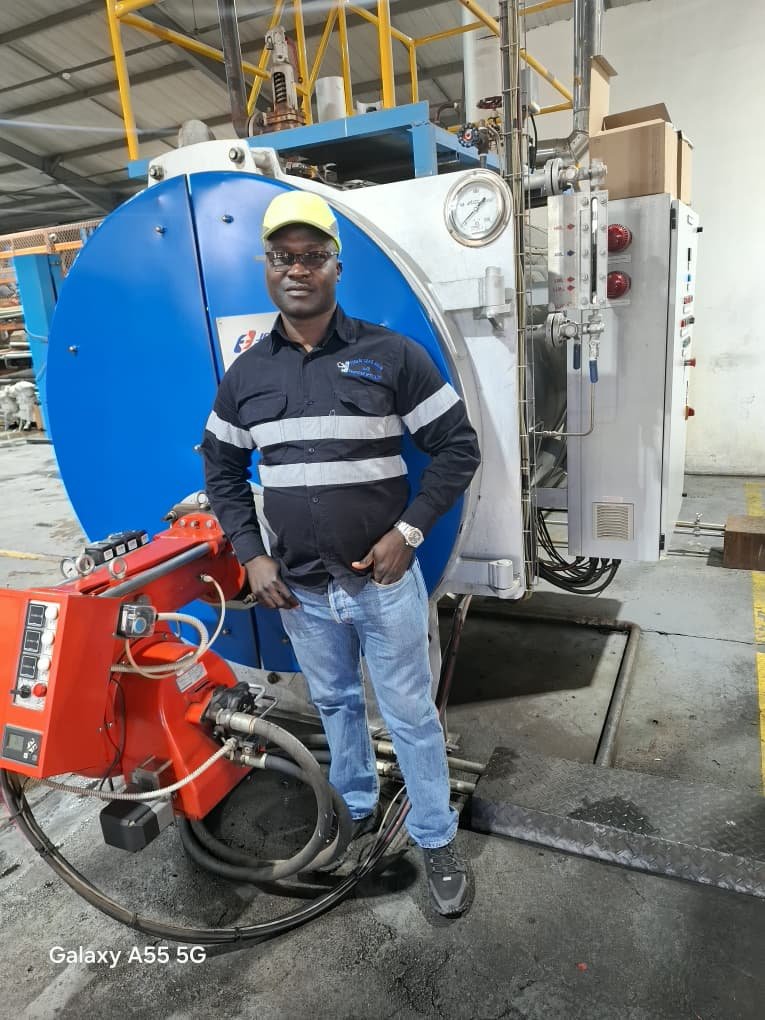
Throughout this course, I have gained valuable knowledge, practical skills, and a deeper understanding of the subject. I learned how to apply theoretical concepts to real-world situations, think critically, solve problems systematically, and work more confidently and efficiently. Moving forward, I plan to build on these skills by applying them in practical projects, continuously improving my knowledge, and contributing to professional and personal growth. This course has provided a strong foundation that I will use to achieve my future academic and career goals.
Calven Makombe

Site Foreman/ Technician, Steam Leak Sales and Services pvt ltd, Botswana

This course has transformed from an experienced maintenance technician into a more knowledgeable and confident mechanical engineering professional. It strengthened my understanding of robotics,automation,mechatronics,control systems,PLCs ,sensors and modern engineering practices.By combining the theoretical knowledge from KEN INSTITUTE with my extensive industrial experience, I successfully completed an automation project on a fire tube boiler, demonstrating how engineering principles can improve efficiency, safety and reliability. Going forward, I plan to build innovative automated industrial systems that enhance productivity, reduce downtime and contribute to the advancement of manufacturing and energy industries in Botswana, Zimbabwe, Zambia, Mozambique and beyond.This journey has prepared me to take on greater engineering responsibilities and continue learning throughout my career.
OBAKENG MAFATLHA

SHE OFFICER, MMG KHOEMACAU, BOTSWANA

I have completed my International Diploma In HSE Engineering Level 6 with Ken Institute.My time studying with Ken was great and I will cherish the memories for a lifetime. My time in Ken was full of learning and growing. I got the opportunity to meet different kinds of people and learn many things in the process. The curriculum is very insightful and enabled me to solve various challenges at the work place which at first i had a problem fixing.I am thankful to all my lecturers and every single mentor who helped me to achieve my goals. Overall it was a wonderful experience and I have a lifetime of good memories.
Faizal Basheer

Sr HSE Engineer, Al Basti & Muktha LLC, Dubai
This course improved my knowledge of health, safety, and environmental management. I learned how to identify hazards, assess risks, and ensure legal compliance. I will use this knowledge to create safer workplaces and promote a strong safety culture.
Collen Zenda

SHEQ Manager, Billnick Engineering Pvt Ltd Zimbabwe, Zimbabwe

The course has equiped me with in depth knowledge in the field of Health nd safety. Case studies have helped me understand better. The course was very practical. It had a lot of on the job practical applications. I now have a deep understanding in spillage control, HIRA control and process , Incident Investigations, developing SHE documentation, SHE practitioner repondibilities, communication with other departments and stake holders, involvement of other line Managers in SHE participations. I hope to build an effective SHE functional department for my company, embrace an effective SHE culture .
lutaaya dancun

Draftsman/ QC Planner, Mota-Engil — Tilenga, Uganda
This course strengthened my technical knowledge, problem-solving skills, and professional confidence. I learned to apply engineering principles more effectively and collaborate better on projects. I will use these skills to deliver safe, efficient, and sustainable engineering solutions.
Gaborutwe Tlamelo

Safety, Health and Environment Officer, Naledi Mining Services , Botswana
At the beginning of the course, I was unsure and had limited knowledge, but by the end I became more confident and gained a better understanding of the subject. I learned practical skills, improved my thinking, and saw how the lessons can be applied in real life. This course has helped me grow, and I will use what I learned to build a stronger future.
Katoj Musans Dorcas

Data clerk, Kamoa copper SA, Democratic Republic of Congo
I learned how to identify workplace hazards assess risk, how to prevent accident and injuries I also gained knowledge of incident reporting, investigation, root cause analysis, safety inspections and emergency preparedness and the safety laws and regulation The course also emphasized the importance of safety culture, communication, employee participation, audits. From this course I have developed valuable skills in problem solving, risk assessment, I am now more confident on myself in recognizing hazards and contributing to a healthier I now know do how do inspection by myself because of this course and my hard work my company (safety department) promise me a promotion.
NASSER AL OTAIBI

ARABIAN GEOPHYSICAL & SURVEYING CO ARGAS, HSE ADVISOR, SAUDI ARABIA

It was one of the best learning experiences I had. “I am satisfied with the training given by Ken Institute of Executive Learning”. The training team are well organized by providing materials, homework exercises, weekly assignments and sharing knowledge. KEN provides one of the best LMS platform that easy to use and access, Overall experience is very good. Guidelines given by trainers were excellent.
Nicholas Shonhiwa

Fuels Technician, Fueltec, Zimbabwe

I have learnt how to analyse, diagnose and solve everyday work with precision. I usually work with fuel dispensers and now I have a better understanding of how a gear pump works. I can now write detailed reports concerning any work that I do.
Luckson Munangisa

Superintedant Safety - Mining Operations, Mopani, Zambia
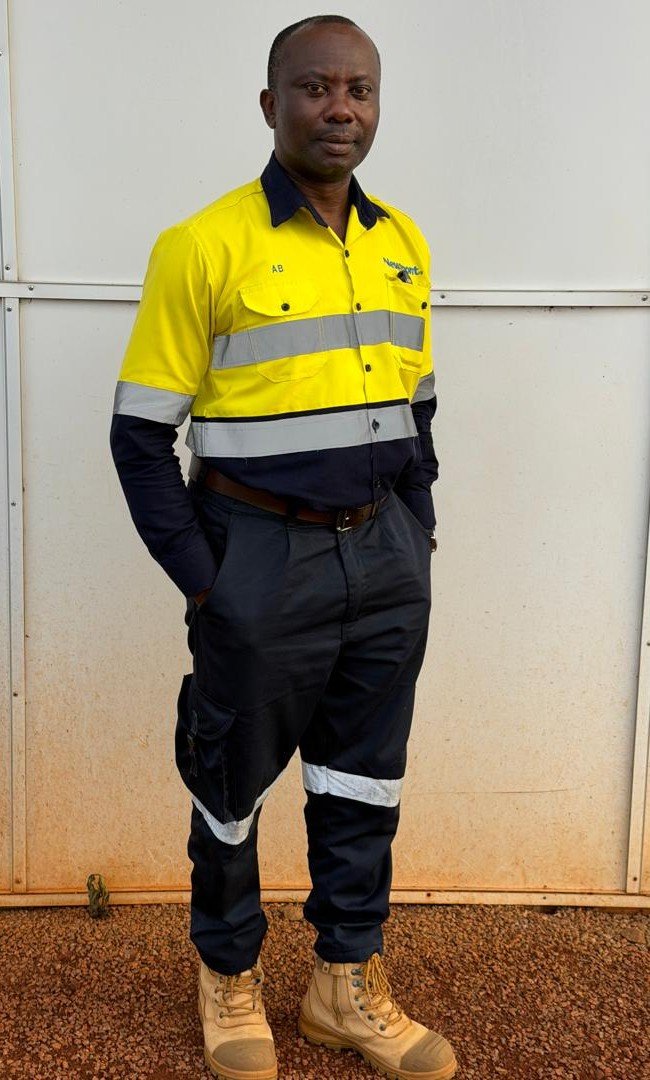
Overall, this programme has transformed me from an experienced safety practitioner into a more strategic HSE leader who understands that sustainable organizational performance is achieved not only through effective systems and compliance but also through strong safe leadership, employee involvement, continuous improvement and a positive organizational culture. The knowledge and competencies gained will enable me to make a greater contribution to my organization, the mining industry and the wider Occupational Health, Safety and Environmental profession
ABRAHAM NKRUMAH AKOSAH

SAFETY TRAINER, NGGL, Ghana

Upon completing the master’s in safety, Health and Environmental Management, I have become a competent SHE professional capable of leading safety initiatives, protecting workers, ensuring environmental sustainability, managing risks, influencing organizational culture, and driving continuous improvement toward operational excellence. Through the knowledge and skills gained from this program, I intend to: Develop and implement effective workplace safety policies, procedures, and standards, while establishing robust risk management frameworks to minimize incidents, injuries, and occupational hazards. Promote safety awareness and enhance employee engagement by fostering a proactive safety culture characterized by accountability, responsibility, and continuous improvement. Design and implement occupational health and wellness programs, including exposure control measures and health monitoring systems, to protect and improve employee well-being. Develop comprehensive environmental management plans aimed at reducing waste generation, preventing pollution, and minimizing adverse environmental impacts. Ensure compliance with national and international Safety, Health, and Environmental (SHE) regulations through effective auditing, monitoring, and performance improvement initiatives that enhance organizational effectiveness and sustainability.
Morne Bezuidenhout

Technical Support Manager & HSE Manager, Kamoa Copper, South Africa

The Graduate (Honors) in Health, Safety, and Environmental Management program at KEN University has significantly enhanced my knowledge, skills, and professional perspective regarding workplace health, safety, and environmental sustainability. From the beginning of the course to its completion, I have gained a comprehensive understanding of the principles, legislation, management systems, and best practices required to create safer and more environmentally responsible workplaces. Throughout the program, I learned how to identify, assess, and control workplace hazards through systematic risk management processes. The studies expanded my knowledge of occupational health and safety legislation, environmental compliance requirements, incident investigation techniques, emergency preparedness, and the development of effective safety management systems. I also gained valuable insight into leadership, safety culture, human factors, and the importance of aligning organizational objectives with health, safety, and environmental performance. One of the most important lessons from the course was understanding that health, safety, and environmental management are not merely regulatory requirements but strategic business functions that contribute directly to operational excellence, employee wellbeing, sustainability, and organizational success. The course strengthened my ability to analyze complex challenges, make informed decisions, and implement practical solutions that reduce risk and improve performance. As a Safety Superintendent, I will build upon these studies by applying advanced risk management principles, strengthening safety leadership practices, and promoting a proactive safety culture within my organization. I intend to use the knowledge gained to enhance existing safety systems, improve incident prevention strategies, develop more effective training programs, and ensure continuous compliance with health, safety, and environmental standards. Furthermore, I will continue to champion environmental stewardship by supporting sustainable operational practices and encouraging responsible resource management. The program has also prepared me to mentor and influence others, helping to build a workforce that is more safety-conscious, accountable, and committed to continuous improvement. Overall, this qualification has provided me with the knowledge, confidence, and professional competence to contribute more effectively to organizational safety performance and environmental sustainability. It has laid a strong foundation for my ongoing professional development and future leadership within the field of Health, Safety, and Environmental Management.
Kavindu Fernando

HSE Officer, HRE Construction LLC, Sri Lanka
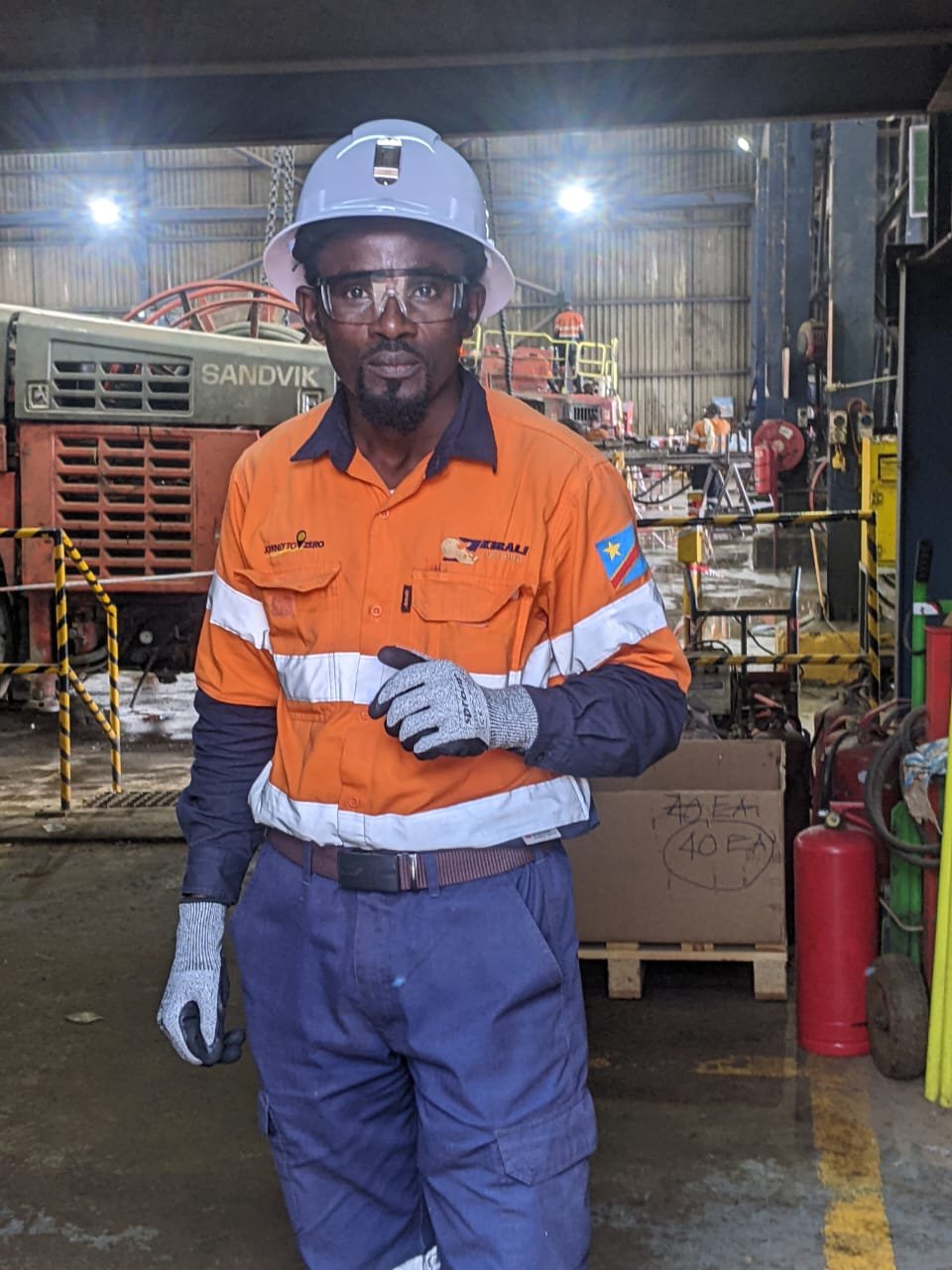
Throughout the Graduate Honor in Health, Safety and Environment Engineering, I developed a strong foundation in HSE principles, risk assessment, hazard identification, and legal compliance. The course enhanced my technical knowledge, problem-solving, leadership, and communication skills, enabling me to build the competence and confidence to create safer workplaces and effectively manage health, safety, and environmental risks.
LUNDULA HWIYALIKA Evariste

Admin Training Data Clerk, Kibali Goldmine UG Training Mobile fleet, Congo - Kinshasa
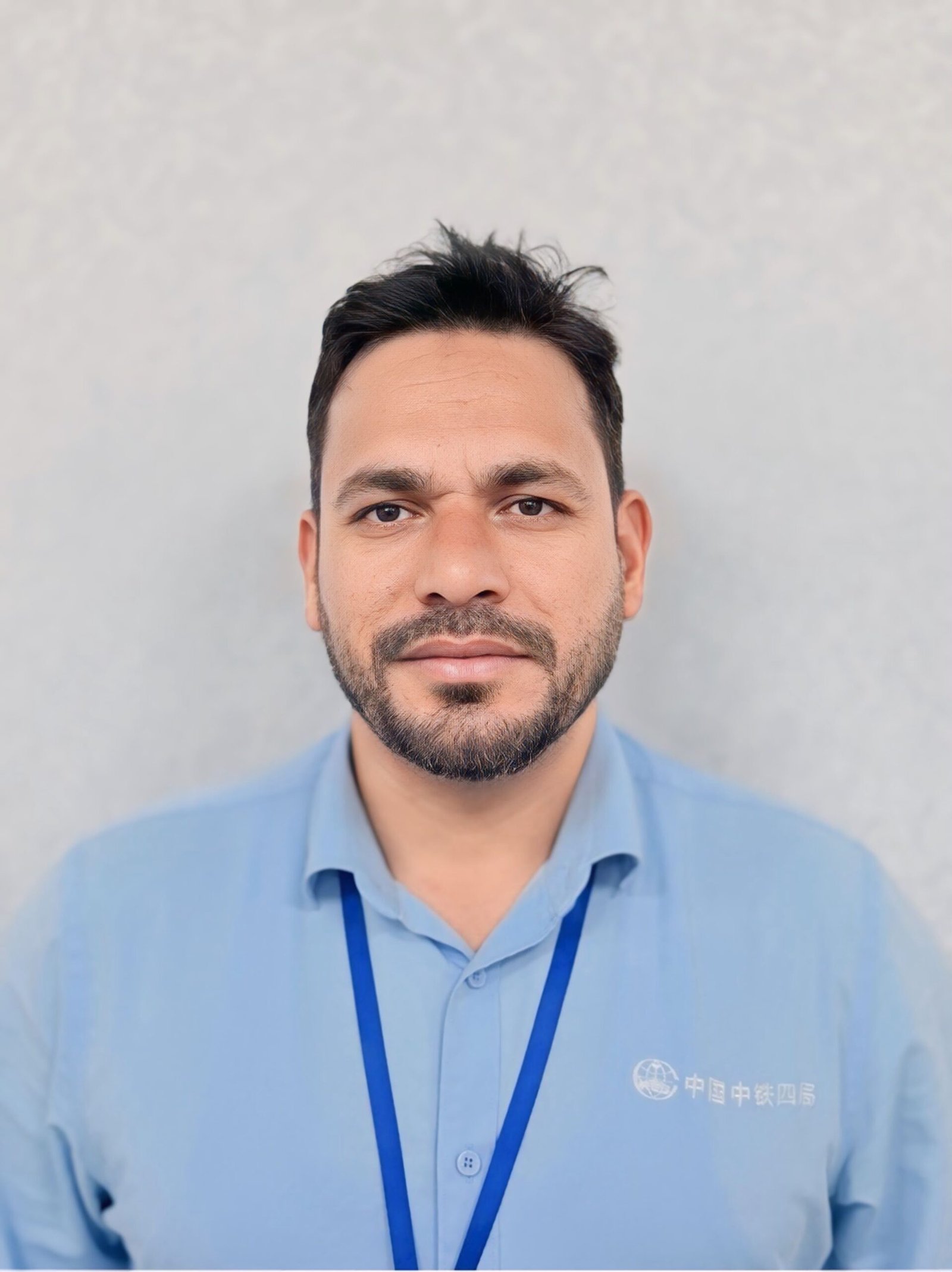
Completing this OHSE training has been a valuable and rewarding experience. The course strengthened my understanding of workplace occupational health, safety, and environmental responsibilities while reinforcing the importance of preventing incidents and illness before they occur. I gained practical knowledge on hazard identification, risk assessment, the proper use of personal protective equipment (PPE), emergency response procedures, and safe work practices. The training also highlighted that safety is a shared responsibility and that every individual plays an important role in creating a safe and healthy work environment. This experience has increased my confidence in recognizing potential hazards and taking appropriate preventive actions. I am committed to applying the knowledge and skills I have learned in my daily work, promoting a positive safety culture, and encouraging others to follow safe work practices.
Rizwan

Senior HSE supervisor, China railway no 4 Engineering group, Saudi Arabia

From hazard identification to behavioral safety, I’ve learned that effective HSE management is driven by strong leadership, clear communication, and proactive risk assessment. I’ll build a resilient safety culture focused on continuous improvement, employee engagement, and genuine risk prevention moving beyond just regulatory compliance.
Nedim

HSE Manager, Hill International, United Arab Emirates

Completing the Diploma in Fire Safety Management has been a truly transformational journey, both professionally and personally. When I started the course, my understanding of fire safety was primarily focused on practical workplace controls, emergency response procedures, and compliance requirements. While I had experience managing health and safety on construction projects, this program significantly expanded my knowledge of fire science, fire engineering principles, fire risk assessment, human behavior during emergencies, and international fire safety standards. Throughout the diploma, I developed a deeper appreciation for the importance of a systematic approach to fire safety management. I learned how effective fire prevention, preparedness, response, and recovery measures work together to protect people, property, business continuity, and the environment. The course strengthened my ability to identify fire hazards, assess risks, develop fire safety management systems, and evaluate the adequacy of emergency arrangements in various workplace settings. One of the most valuable aspects of the learning journey was understanding that fire safety is not only about compliance with regulations but also about leadership, communication, and creating a culture where everyone actively participates in preventing fire incidents. As I move forward, I intend to build upon this knowledge by continuing to strengthen fire safety practices within the projects and organizations I support. I will focus on enhancing emergency preparedness, improving workforce awareness, promoting proactive risk management, and ensuring that fire safety considerations are incorporated into every stage of project planning and execution. I also aim to become a stronger leader and mentor, sharing the knowledge gained during this diploma with colleagues, project teams, and future safety professionals. By fostering engagement, continuous learning, and a culture of prevention, I hope to contribute to safer workplaces and help reduce the likelihood and consequences of fire incidents.
Joao Samuel

Maritime and Industrial Safety Instructor, OMIT, Angola
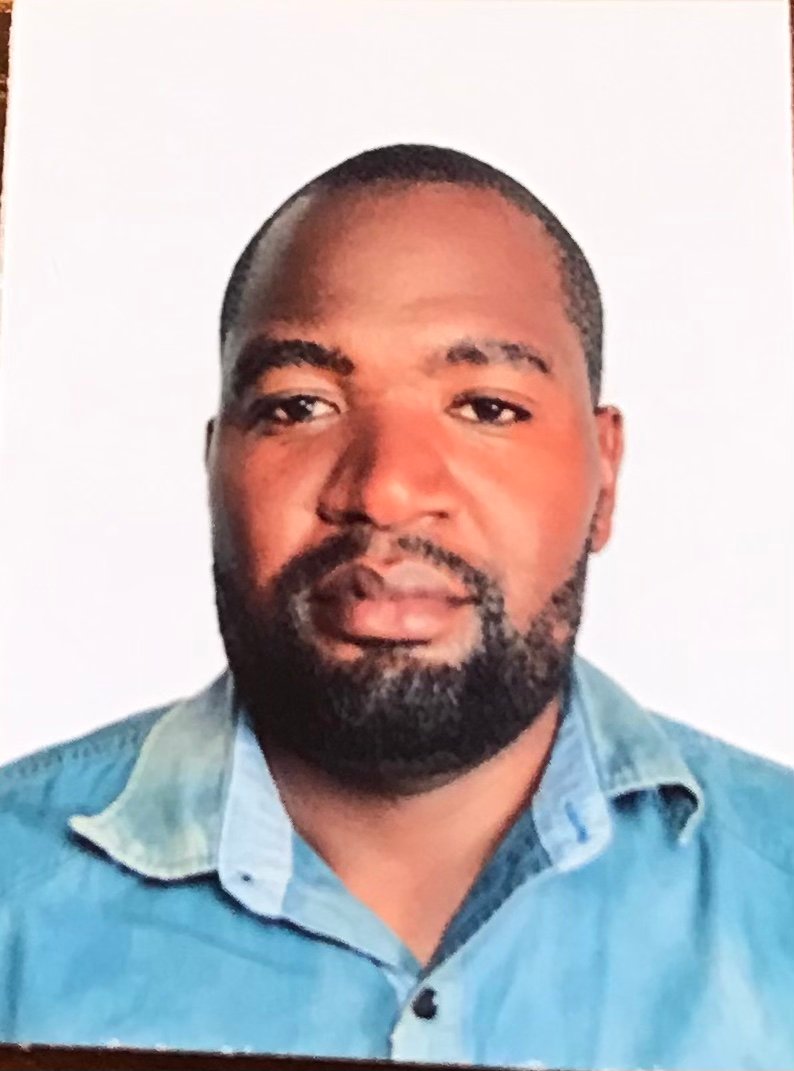
The KEN Institution is a fantastic organization that inspires us to dream big about our professional roles in the fields of safety, health, and environmental preservation. It is an outstanding institution, highly recommended for anyone looking to reach the next level in their career.
Mwandwe Miyambo

Maintenance Manager, Sparrow Engineering Limited, Zambia

I am pleased to confirm that KEN Institute successfully completed the verification of my **Graduate Honors in Mechanical Engineering** for my application entry at the University of Zambia.**. My learning journey through this program equipped me with valuable technical knowledge, practical engineering skills, and the confidence to advance my professional career. The support and guidance provided by the KEN Institute team throughout both my academic journey and the verification process were exceptional. Their professionalism, commitment to quality, and dedication to student success made my overall experience rewarding. I highly recommend KEN Institute to anyone seeking quality education, recognized qualifications, and reliable academic credential verification from the University of Zambia.
Mr. Aswinin Sahoo

Consultant - NSDF, Ministry of Youth Affairs & Sports, Govt of India
The raining imparted by the keninstitute of executive learning is truly impressive. I deeply appreciate the paramount importance of cultivating a skilled and well-trained workforce, particularly in crucial domains like health, safety, fire safety and engineering. What sets this institute apart is the caliber of its faculty- experienced professionals with hands on expertise. their ability to weave real world stories into the teching material enhances the learning exparience. Furthermore, the provision of online training caters to the needs of working professionals who may face constraints attending in person. In essence, the Keninstitute of executive learning emerges as beacon of 21st century workforce training, addressing the evolving demands of expertise and knowledge.
Mr. George Salazar

NASA'S Senior Scientist in Human Computer Interface, NASA Life Time Acheivement Award Oct 2013 Winner

The Training provided by the keninstitute of Executive learnining is impressive. As a retired NASA Engineer who worked human spacefilght, I can appreciate the importance of having a skilled and well-trained workforce- especially in the areas of health and safety as well as fire safety and Engineering. The attraction of this training intitute is that the course are taught by the faculty who are exparienced professionals with hand-on exparience. This is important as the faculty can share the stories realated to teacher material. Also, providing online training for working professionals who may not have opportunity to attend in person is appreciated. In short , I find Keninstitute of Executive learning to be kind of training needed for the 21st century workforce.
Dr. Harpal Singh

Director - Clinical & Medical Affairs , Morphic Medical , USA

The Empahasis on developing a Proficient workforce in vital areas such as health, safety, fire safety and engineering is crucial. What distinguishes this institute is its faculty, comprising seasoned professionals with practical knowledge. Their integration of real-world ancedotes into the curriculum elevates the learning journey. Additionally, the avaliability of online accommodates the schedule of employed Individuals. Essentially, the keninstitute of executive learning stands out as a beacon in 21st century workforce Education, adapting to the changing demand of expertise and knowledge.

Enquiry Form

I authorize Ken Institute and its representatives to Call, SMS, Email or WhatsApp me about its updates and notifications. This consent overrides any registration for DND / NDNC.

Enquiry Form

I authorize Ken Institute and its representatives to Call, SMS, Email or WhatsApp me about its updates and notifications. This consent overrides any registration for DND / NDNC.