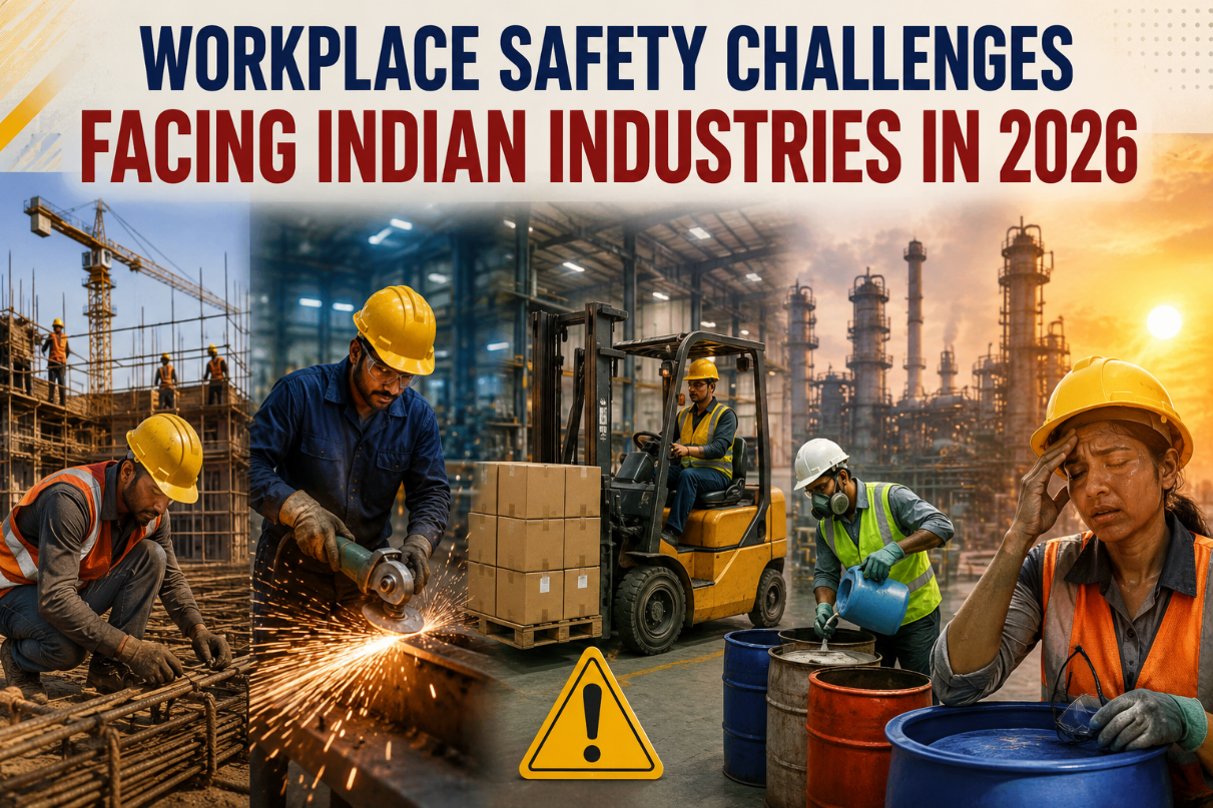
India’s industrial growth through 2026 has been outstanding, but progress has not eliminated persistent Workplace Safety Challenges that continue to cause preventable injuries and fatalities across manufacturing, mining, energy and construction. Legislative reforms and rising automation offer opportunities, yet systemic gaps in enforcement, data, training and worker protections remain the largest barriers to safer workplaces.
The Key Challenges, Facing by Indian Industries
1. Weak Enforcement and Skilled Inspector Shortages
A major structural challenge is enforcement capacity. Regulatory systems still operate with too few skilled inspectors relative to the number of workplaces, leaving many facilities uninspected or subject only to paper-based compliance checks. This shortage reduces deterrence and allows unsafe conditions, poor maintenance, incomplete permits, and lax contractor oversight to persist Strengthening inspection networks and increasing the frequency and quality of on-site checks must be a policy priority to convert rules on paper into safer sites on the ground.
2. Fragmented Data and Underreporting
Accurate, timely occupational health and safety data are essential for targeting interventions, yet India continues to face fragmented surveillance and widespread underreporting of workplace injuries and occupational diseases. Informal and contract workers are especially invisible in official statistics, masking the true scale of harm.
Integrated reporting systems, anonymized near‑miss databases, and mandatory, verifiable injury disclosure would help regulators and companies allocate resources to the highest-risk sectors and sites.
3. Large, Informal and Contract Workforce
The structure of India’s workforce remains a central safety challenge: a large share of workers are employed informally or through contractors and often fall outside robust employer safety programs. Migrant and temporary workers frequently perform the highest-risk tasks but receive minimal standardized training, PPE provisioning, or post‑injury support.
Extending formal protections, insurance cover, and competency checks to contractor labour is not just a social imperative, it materially reduces system risk.
4. Leadership Commitment and Corporate Governance Failures
Many severe incidents originated from organizational choices: weak board-level oversight, short-term cost focus, and inadequate investment in maintenance and preventive systems. When safety is treated as compliance paperwork rather than a leadership priority, recurring hazards multiply.
Boards and senior executives must integrate safety metrics into governance, linking safety performance to executive incentives and capital allocation to ensure sustained prevention investment.
5. Rapid Automation Without Safety Integration
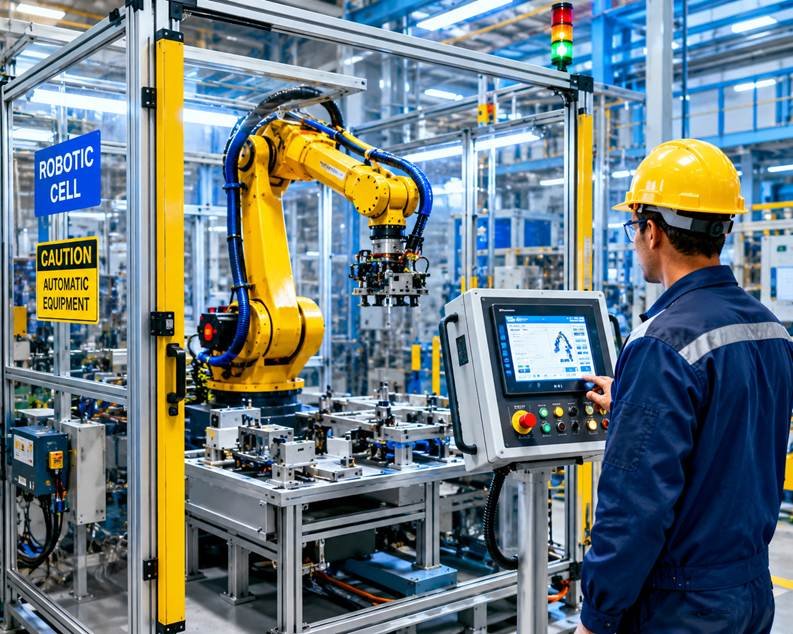
Automation and Industry 4.0 adoption have accelerated across manufacturing, but technology alone does not guarantee safety. When robotics, IoT, and legacy plant layouts are poorly integrated, they can create new pinch points, control conflicts, and human Vs machine interface risks.
Effective risk reduction requires safety-by-design during automation projects, human centered ergonomic assessments, and reskilling programs so workers can operate safely alongside automated systems.
6. Chemical, Process and Major-Hazard Risks
Process and chemical industries continue to account for a disproportionate share of high-consequence incidents. Weaknesses in hazardous storage, Process Safety Management (PSM), vendor control, and emergency planning increase the likelihood of catastrophic outcomes.
Organizations operating major-hazard installations need rigorous PSM frameworks, independent audits, and community-facing risk communication to reduce incident likelihood and severity.
7. Training, Competence and Language Barriers
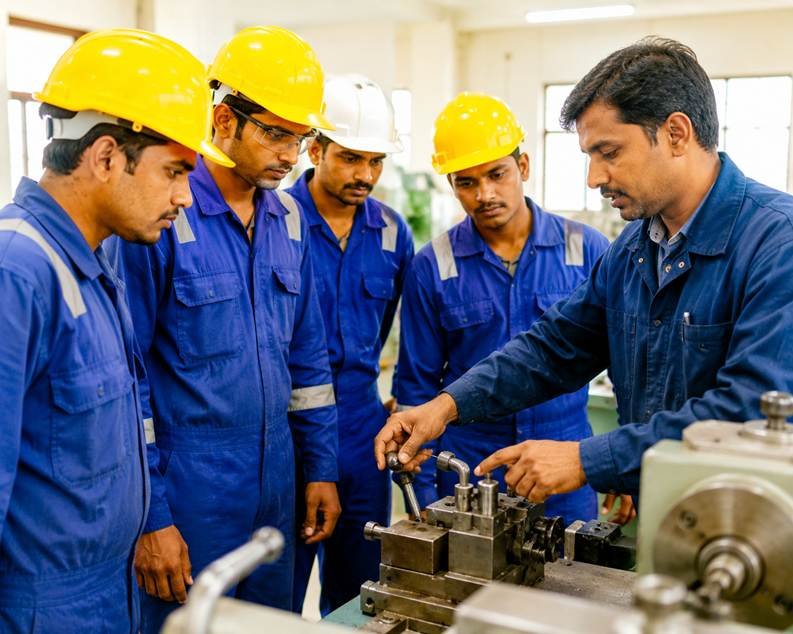
Workforce competence is uneven: low literacy levels, transience, and episodic training programs mean many workers lack the practical ability to identify hazards or respond effectively in emergencies.
Traditional classroom lectures are insufficient for frontline workers; competency-based, multilingual, hands-on training and frequent practical drills produce better retention and safer behaviors.
8. Supply-Chain and Contractor Oversight
Large firms frequently maintain mature safety systems internally but fail to enforce equivalent standards across their supplier tiers. SMEs and subcontractors often lack technical resources, leading to compliance blind spots for principal companies.
Implementing supplier pre-qualification, mandatory contractor KPIs, and regular independent audits reduces systemic exposure and aligns safety performance across the value chain.
9. Emergency Response and Medical Preparedness
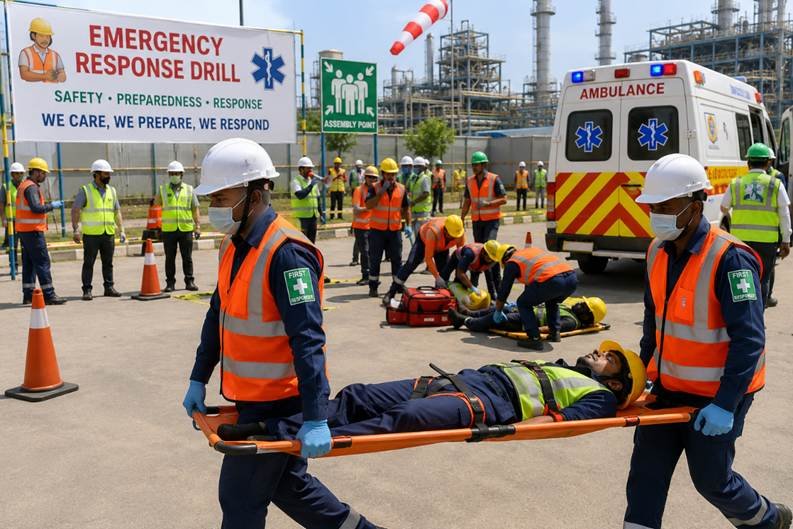
Outcomes after workplace incidents depend heavily on emergency preparedness and access to trauma care. Many sites lack practiced incident plans, on-site medical capability, or reliable linkages to hospitals; this gap worsens injury outcomes.
Strengthening on-site first response, formalized tie-ups with regional trauma centers, and community emergency drills can reduce fatality and disability rates after major events.
Focus of HSE Leaders in 2026 Indian Industries
System fixes: Advocate for increased inspection resources, integrated national OHS data systems, and mandatory disclosure mechanisms to close visibility gaps.
Workforce inclusion: Make contractor and informal worker protections a core part of corporate safety strategy, training, insurance, and competency verification reduce overall risk.
Process safety emphasis: Prioritize independent process-safety audits and publish concrete roadmaps for remediation at major-hazard sites.
Technology with governance: Use digital monitoring (IoT, CCTV, near‑miss reporting) but tie it to corrective-action workflows and governance metrics to ensure data leads to change.
Practical Checklist for Companies
- Run independent process‑safety audits for chemical and major-hazard operations and track remediation timelines.
- Deploy continuous safety monitoring and a near‑miss reporting system that triggers corrective-action KPIs.
- Enforce strict contractor pre‑qualification and competency verification in procurement contracts.
- Deliver multilingual, practical hands‑on training tailored to specific tasks and roles.
- Build incident-investigation capability focused on root-cause systems learning, not blame.
- Strengthen inspection capacity, close data gaps, and mandate robust process‑safety regimes for major hazard sites.
- Treat workforce inclusion as safety strategy. Extend training, insurance, and formal protections to contract and informal workers to reduce system risk.
Recommendations for Policymakers for Indian Industry
To reverse the trend of severe workplace incidents, India needs stronger enforcement capacity, transparent injury reporting, and policies that pull informal workers into formal safety systems. Statutory reform is necessary but insufficient. Only by combining governance, data, workforce inclusion and engineering controls will workplaces become meaningfully safer.
Summary
India’s industrial sectors continue to face deep-rooted safety problems that produce preventable injuries and fatalities. Despite legislative reform and rising automation, systemic gaps in enforcement, data, training and worker protections remain the largest barriers to safer than a management priority, systemic hazards proliferate.
Without systemic change, inspection resources, data integration, and accountability and statutory reform alone will not deliver safer workplaces. Stronger enforcement capacity, transparent injury reporting, and policies that bring informal workers into formal safety systems are essential to reverse the recent trend of severe workplace incidents in India.
Now in 2026, Indian industries are ready to take actions to gap in safe handling, vendor control, and community risk communication increase the potential for high-consequence events.
*********************************************************************************
Join Ken Institute now to advance your career with Higher Certification in Health & Safety Courses !
Internationally recognized courses and training programs designed to empower individuals and organizations. Our commitment is “academic excellence, quality standards, and robust training processes”.
Connect now and take the next step toward professional excellence!
+91 7569034271
Let’s connect together on: Facebook, YouTube, LinkedIn, and Instagram.