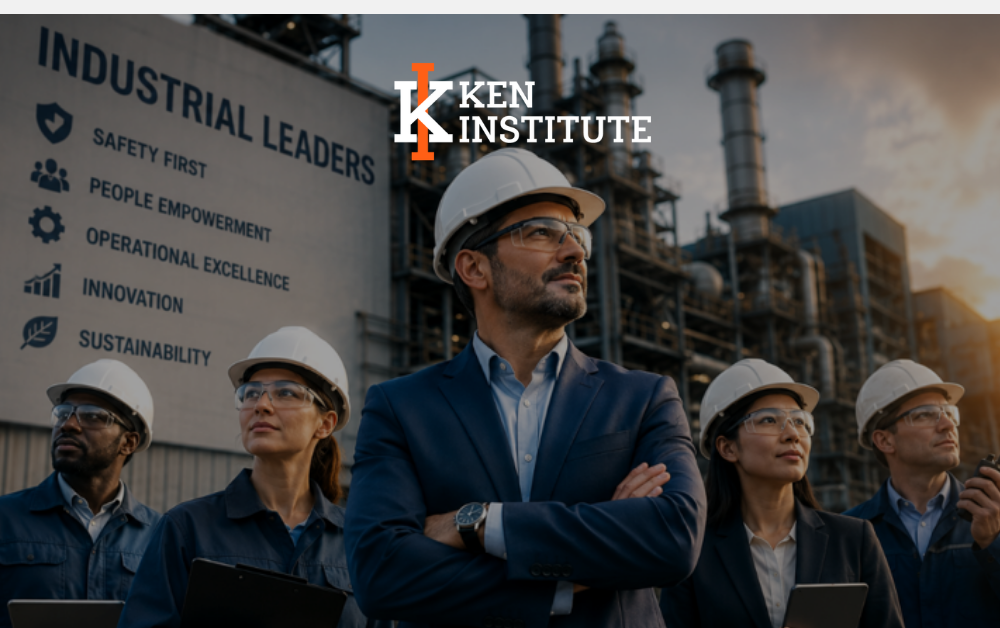
Today, Industrial Professionals are expected to connect technical depth with business judgment, people leadership, and long-term strategic thinking. The most effective Industrial engineers, safety specialists, plant managers, and operation leaders are being asked to do more than to solve technical problems. In a sector where downtime is expensive, risk is real, and performance depends on many moving parts, the ability to lead across functions has become as important as the ability to troubleshoot equipment.
Technical expertise remains the foundation of credibility, but it is no longer the finish line. Modern industrial organizations need people who can interpret complex situations, influence decisions, communicate clearly, and guide teams through change.
The journey from technical expert to strategic leader is not about abandoning technical skill; it is about expanding it into a broader leadership capability. For many industrial professionals, this shift is both challenging and exciting.
Why The Role Is Changing: The modern industrial leader is expected to move from “what happened” to “why it matters” and finally to “what should change.”
The industrial world has become more interconnected, more regulated, and more unforgiving of failure. A single equipment issue can affect production, safety, compliance, environmental performance, and reputation at the same time. As a result, organizations now need professionals who can think beyond immediate fixes and understand the wider system around them.
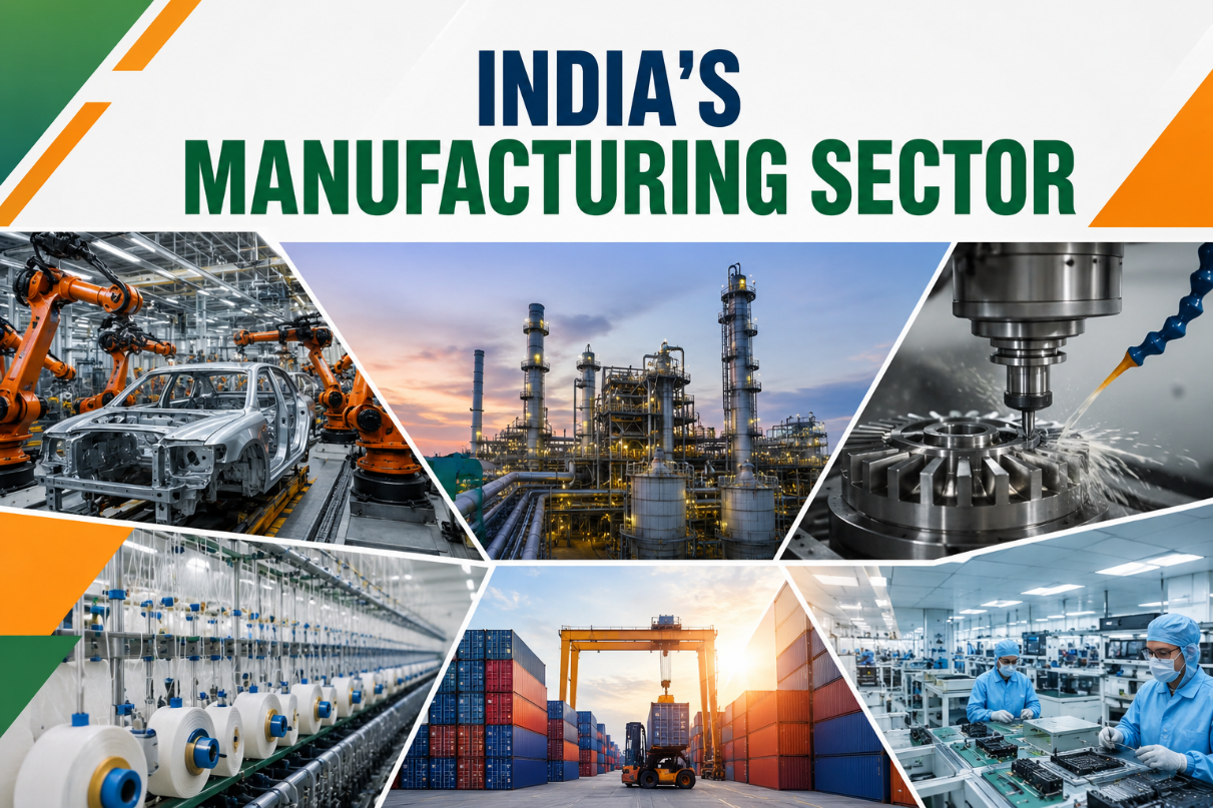
This is especially true in high-risk sectors such as manufacturing, oil and gas, chemicals, mining, utilities, and construction. In these environments, decisions must account not only for engineering logic but also for operational continuity, workforce competence, contractor management, and regulatory expectations. The professional who can see the full picture becomes far more valuable than the one who only sees the technical slice.
Industrial organizations do not just need technically competent employees. They need people who can help the business stay safe, efficient, and resilient in a volatile environment. The cost of weak leadership is often visible in incidents, inefficiency, rework, morale problems, and preventable loss.
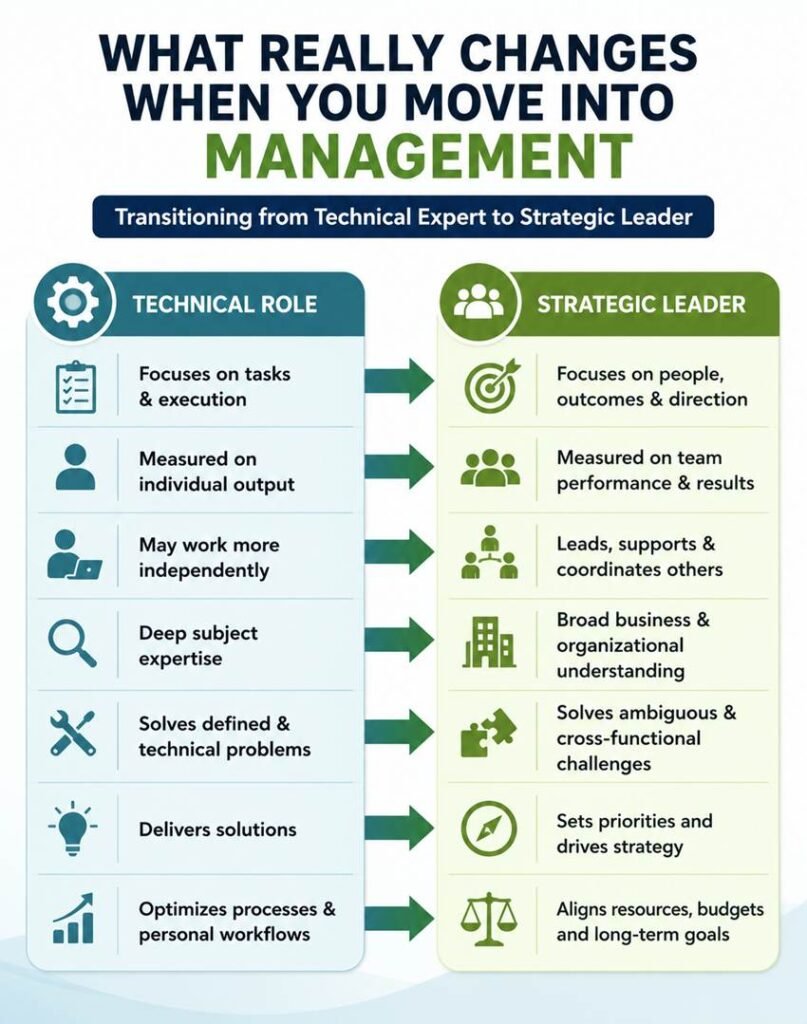
That is why the most respected professionals often combine technical credibility with leadership maturity. They know how the plant works, but they also know how decisions are made. They can read a process issue, a human factor problem, or a management failure with equal seriousness. They are trusted not only for what they know, but for how they think.
A strong technical background still matters because it builds trust. But strategic influence comes from using that expertise to shape outcomes, not just to answer questions.
This is particularly important in industries facing pressure to digitalize, decarbonize, and improve performance at the same time.
Technical Competence
Technical competence gives professionals their first seat at the table. It allows them to pin point problems, challenge weak assumptions, and make informed recommendations. But technical depth alone does not automatically lead to leadership.
Many technically strong professionals struggle when they are promoted into broader roles. They are judged by their ability to coordinate others, support decisions, manage ambiguity, and help the organization perform as a whole. That requires a different set of skills.
The transition becomes easier when professionals recognize that leadership is not a separate discipline from technical work. It is an extension of it. In that sense, strategic leadership is simply technical thinking applied at a higher level.
Core Skills That Matter Now
The modern industrial professional needs a broader toolkit than ever before.
Strategic Thinking: This means understanding how technical decisions affect business goals, risk exposure, sustainability, and long-term competitiveness. A strategic professional does not stop at the immediate fix; they ask whether the fix reduces recurring loss, improves resilience, and supports organizational objectives.
Communication: Technical knowledge has little value if it cannot be explained clearly to managers, operators, contractors, auditors, and regulators. Strong communicators do not oversimplify the issue, but they make it understandable translate complexity into language that others can act on.
Influence Without Authority: Many industrial professionals work across departments where they cannot issue orders, yet they must still persuade others to act. That requires credibility, diplomacy, and confidence. The ability to influence production teams, maintenance staff, or senior management can determine whether a recommendation becomes reality or remains a report on paper.
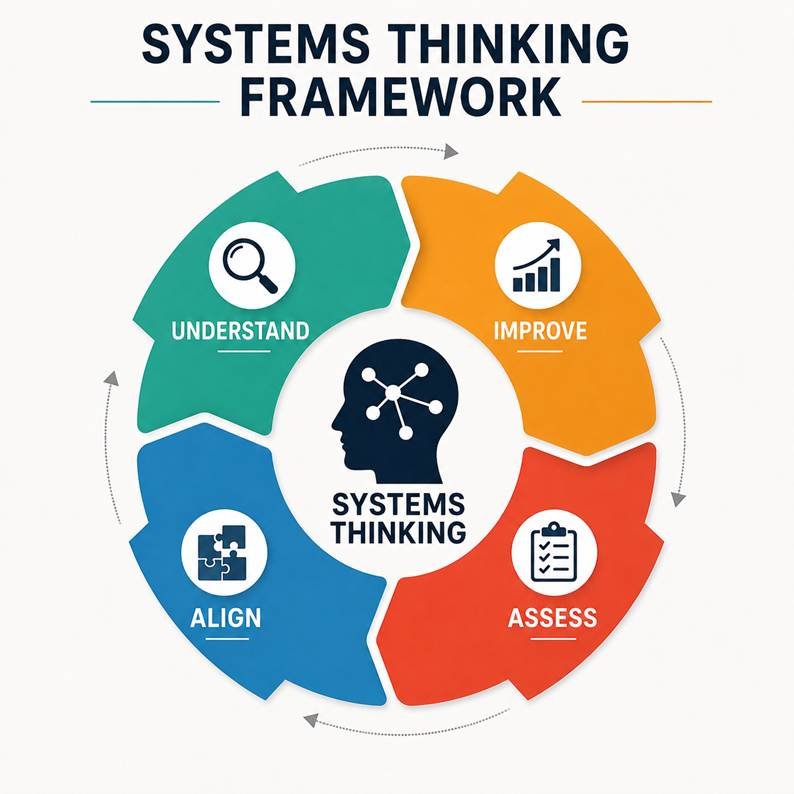
Systems Thinking: Industrial failures rarely result from one isolated mistake. They usually emerge from a chain of design gaps, maintenance weaknesses, procedural drift, training issues, and cultural blind spots. Leaders who think in systems can identify patterns rather than symptoms.
Adaptability: Industrial environments change quickly because of technology, regulation, market pressure, and workforce shifts. Professionals who can learn, adjust, and lead through uncertainty will always have an advantage.
Modern Industrial Professionals- Journey from Expert to Decision Maker
One of the biggest mindset shifts in this journey is moving from problem-solving to decision-shaping. A technical expert often becomes known as the person who can fix things. A strategic leader becomes known as the person who can help prevent repeated problems and guide better choices.
That shift starts with asking different questions.
Instead of asking only how a failure happened, strategic leaders ask why the organization was vulnerable in the first place. Instead of focusing only on the technical defect, they look at supervision, planning, competency, maintenance discipline, and management systems. Instead of treating a case as an isolated event, they look for the lesson it holds for the wider operation.
This approach makes leadership more valuable because it creates learning, not just repair. It helps organizations improve the way they operate, not just recover from a setback. Over time, that kind of thinking builds a reputation for judgment, not just expertise.
Building A Strategic Leadership
Industrial work has become more complex because systems are more integrated, regulations are stricter, and the cost of failure is higher. That means professionals must move beyond task execution and begin thinking in terms of risk management, operational continuity, and organizational performance.
The transition from technical expert to strategic leader does not happen overnight. It is developed deliberately through experience and practice. It starts with-
Learn to Speak the Language of Business: Technical recommendations become more persuasive when they are linked to cost, productivity, risk reduction, compliance, or operational continuity. A manager is more likely to act when they can see how a technical issue affects the wider business.
Look for Opportunities to Work Across Functions: Exposure to operations, maintenance, procurement, quality, HSE, and project teams helps professionals understand how decisions are made in practice. The broader the experience, the easier it becomes to lead with perspective.
Mentor and Coach Others: Leadership is not only about personal excellence. It is also about developing capability in the team. When professionals teach, guide, and support others, they begin to shift from individual contributor to organizational asset.
Build A Habit of Reflection: After an incident, delay, audit finding, or project setback, ask what the system was trying to tell you. What barrier failed? What warning was missed? What would a stronger leader have done earlier? These questions sharpen strategic judgment over time.
Conclusion
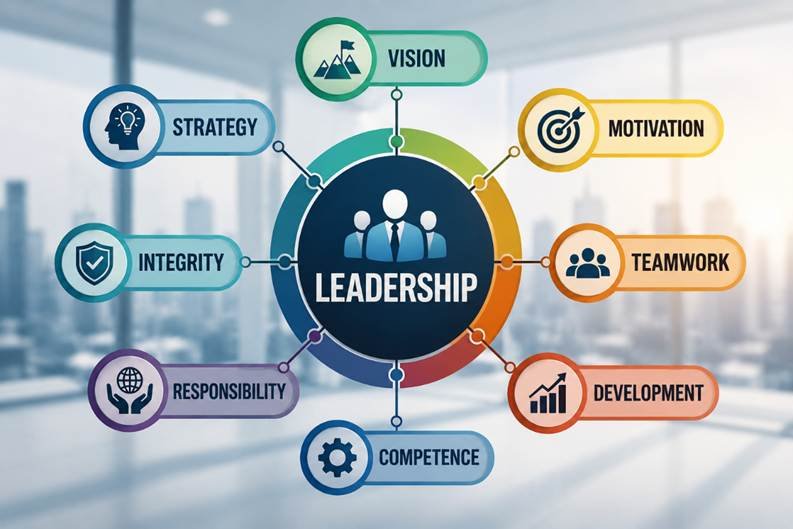
The path from technical expert to strategic leader is one of the most important career transitions in modern industry. It requires professionals to extend their capabilities beyond analysis and troubleshooting into communication, influence, systems thinking, and organizational leadership.
The professionals who succeed in the future will be those who can diagnose problems, shape decisions, and help their organizations perform safely and sustainably. In a complex industrial world, the best leaders will not be the ones who know the most in isolation. They will be the ones who can connect expertise to direction, and direction to results.
The next generation of leaders will need to balance innovation with control, speed with discipline, and productivity with responsibility. Those are not narrow technical tasks; they are strategic ones.
Join Ken Institute now to advance your career with Higher Certification in Health & Safety Courses !
Internationally recognized courses and training programs designed to empower individuals and organizations. Our commitment is “academic excellence, quality standards, and robust training processes”.
Connect now and take the next step toward professional excellence!
+91 7569034271
Let’s connect together on: Facebook, YouTube, LinkedIn, and Instagram.