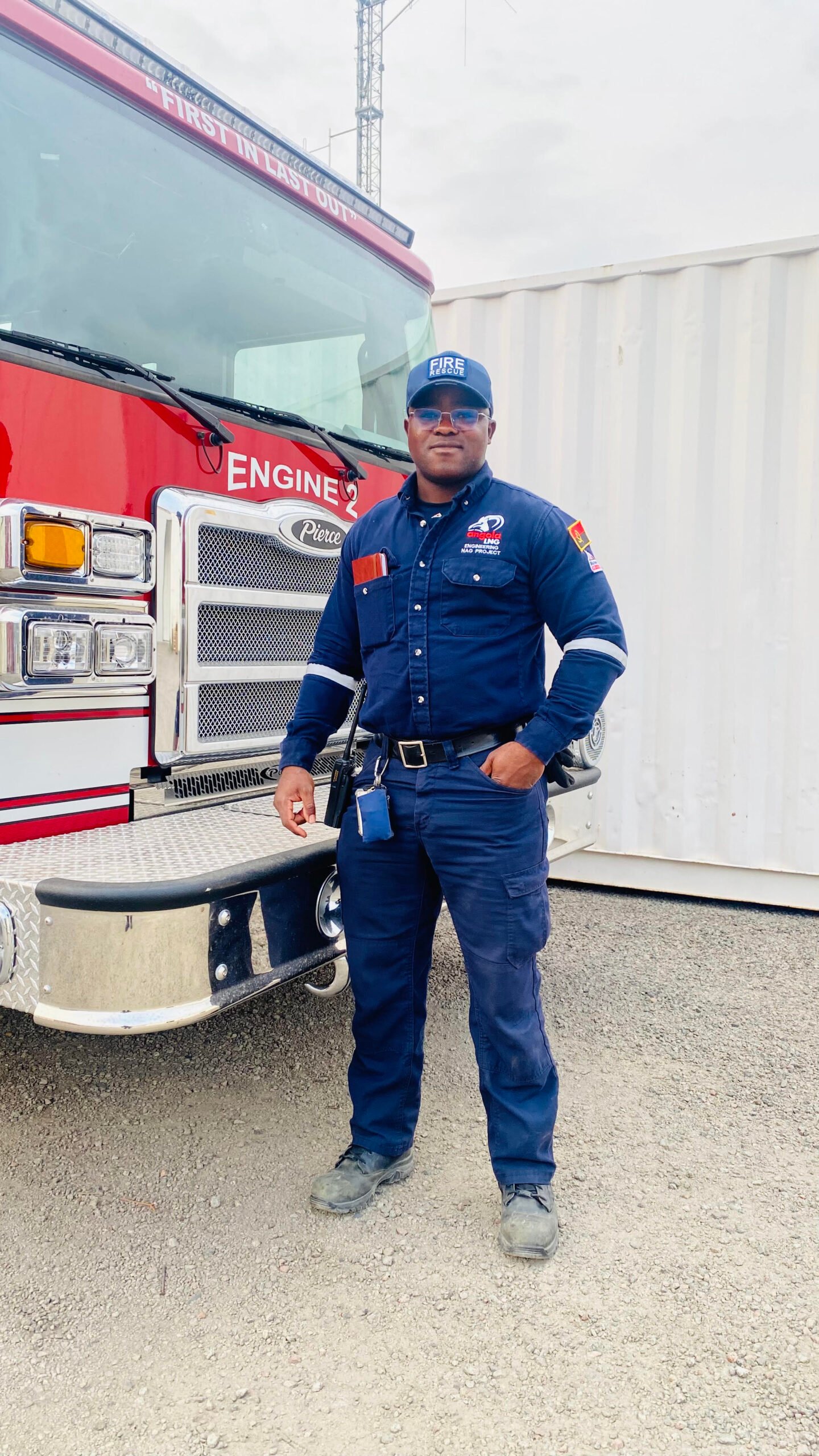
At the start of this Fire Safety Course, my understanding of fire prevention and emergency response was largely practical and experience-based. Through the structured modules, I gained a deeper technical foundation: learning how fire behaves, the standards that govern safe operations (NFPA, OSHA, ISO), and the specific risks posed in oil & gas environments such as explosive atmospheres and confined spaces.
Beyond theory, the course sharpened my practical skills. I learned to document incidents with precision, apply intrinsically safe equipment in hazardous zones, and lead effectively under the Incident Command System. These lessons strengthened my confidence in guiding teams during emergencies and reinforced the importance of compliance as a daily discipline rather than a checklist.
The transformation was not only technical but personal. I developed resilience through simulated drills, improved communication for high-pressure situations, and embraced accountability as a leader. Safety became more than a responsibility—it became a culture I am committed to building.
I Built:
Workflow diagrams for rescue plans, streamlining approvals and empowering decision-making.
Automated authorization systems for operational cards, reducing delays and improving service.
Regular team development activities—drills, safety walks, and investigation exercises—to keep the HES team sharp.
Formal and ceremonial communication that respects both professional standards and cultural traditions.
Closing Thought
This journey transformed me from a participant in safety practices to a builder of systems that embed safety into operations.