
THE HIDDEN COSTS OF POOR HEALTH & SAFETY AT WORKPLACE
The costs associated with health and safety at the workplace, have a significant impact on the business. There are a multitude of ‘hidden costs of poor health & safety’ that many forget to consider. HSE statistics reveal the human and financial ‘cost of poor health & safety’ as Each year: Millions of working days are […]
HUMAN FACTORS AND THEIR INFLUENCE ON SAFETY PERFORMANCE
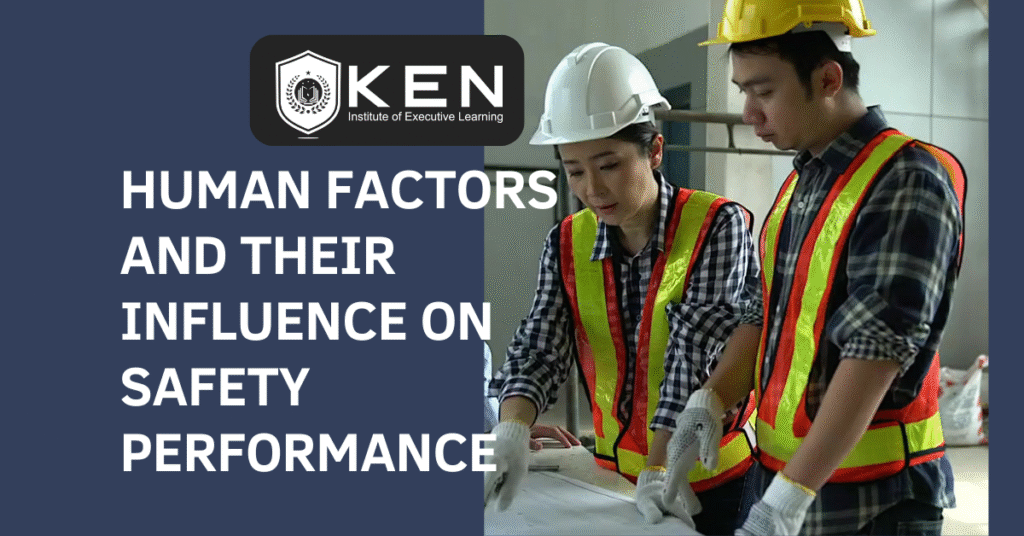
It’s been estimated that up to 90% of all accidents are due to “Human Factors”. The fact is that human error is the number one cause of accidents, injuries, and fatalities in the workplace. It is the priority for businesses to focus on human factors and their influence on safety performance. The HSE has defined […]
UNDERSTANDING REQUIREMENT OF ‘PERSONAL PROTECTIVE EQUIPMENT’ FOR YOUR WORKERS
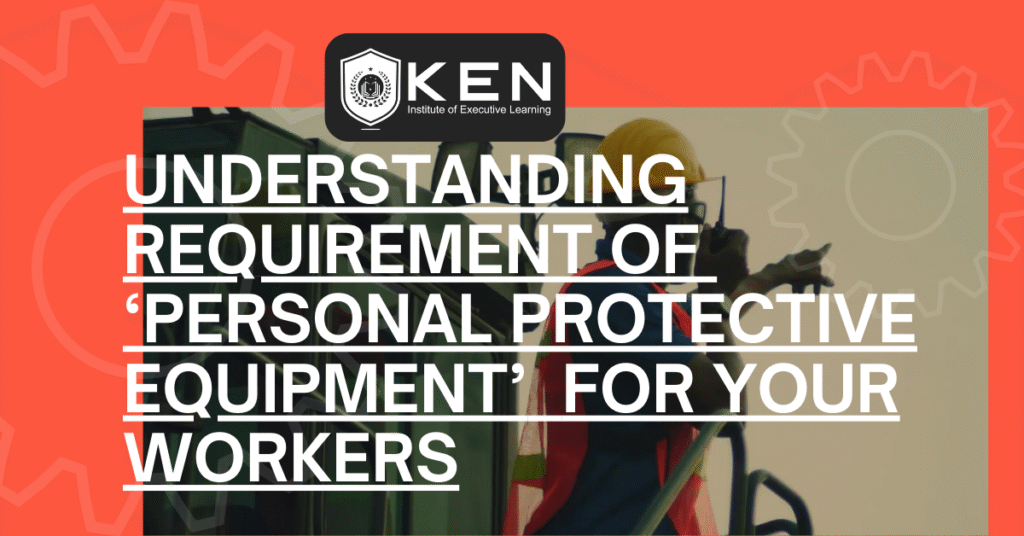
Personal protective equipment or PPEs includes a variety of devices and garments: protective clothing, helmets, goggles, face shields, safety glasses, hard hats, safety shoes, coveralls, gloves, vests, earplugs, respirators, etc. PPE is designed to protect workers from serious workplace injuries or illnesses resulting from workplace hazards such as contact with chemical, radiological, physical, electrical, mechanical, heat, biohazards, […]
19 RULES FOR SAFETY RECOGNITION PROGRAMS

It’s important to understand that the primary message throughout the ‘Rules for Safety Recognition’ is that “Effective recognition is primarily a function of leadership, not management.” Rules for Safety Recognition Programs: Security: Security is Maslow’s second-most basic psychological need. (Maslow’s Hierarchy of Needs states that five categories of human needs dictate an individual’s behavior. 1. Physiological needs, […]
OSHA STANDARDS FOR THE SAFETY OF WORKERS & WORKPLACE
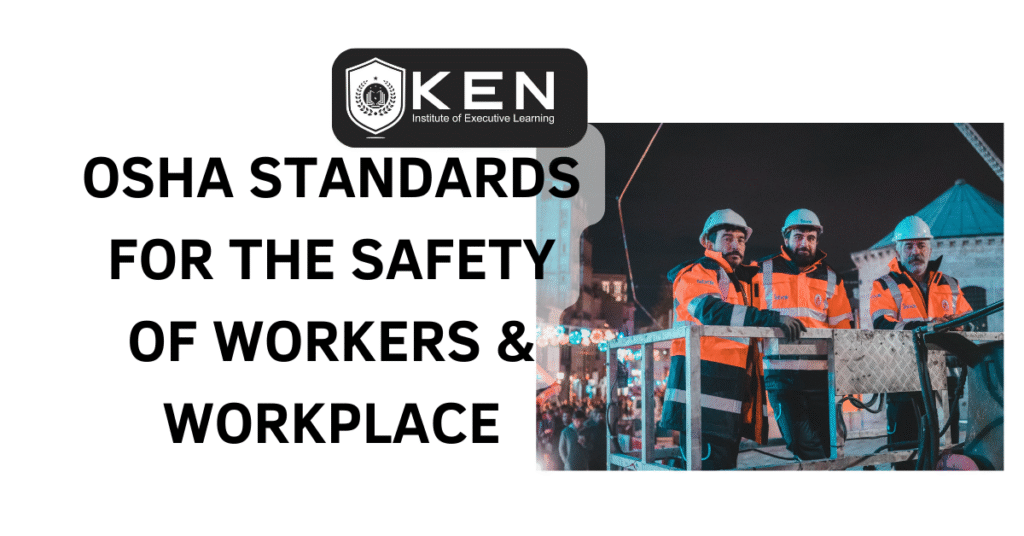
INTRODUCTION On December 29, 1970, U.S. President Nixon signed the Occupational Safety and Health Act of 1970 (OSH Act) into law, establishing OSHA. Coupled with the efforts of employers, workers, safety and health professionals, unions, and advocates. By applying ‘OSHA Standards’, OSHA and its state partners have dramatically improved workplace safety, reducing work-related fatalities by […]
VIOLATIONS OF OSH RULES: WHY? HOW TO AVOID THEM
Rule and procedures violation occurs when organisationally, professionally, or legally defined rules are not followed by employers and employees. To understand rule violations, we have to understand human error and human performance in general. It is widely accepted that human error plays a part in most safety accidents and incidents. ‘Violations of OSH rules’ is […]
COMPETING AND CONFLICTING DEMANDS IN HSE

In an organization, the primary objective of management in a competitive and cost-conscious environment will be to achieve goals of high profit with low production and maintenance costs. To fulfill this objective Employers sometimes place “Competing and Conflicting Demands in HSE” on workers. Under this way of looking at organizations, health, and safety might be […]
WORKPLACE ACCIDENT INVESTIGATION: LINE OF ACTION
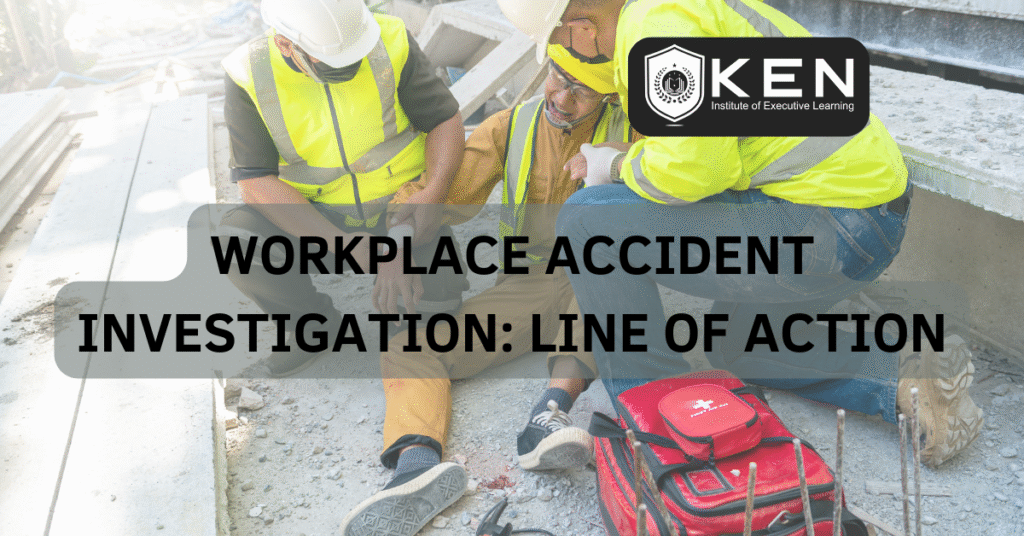
The Accident Investigation procedure provides an approach to determine: Initiating Events, Contributing Events, Root Cause, and Contributing Causes. The investigation must identify appropriate recommendations that address the problems and identify root causes. These recommendations may include, but are not limited to: Engineering Controls, Personal Protective Equipment, and Training for Affected Employees. This procedure intends to […]
WHY SHOULD CARRY OUT THE INVESTIGATION OF WORKPLACE INCIDENT?
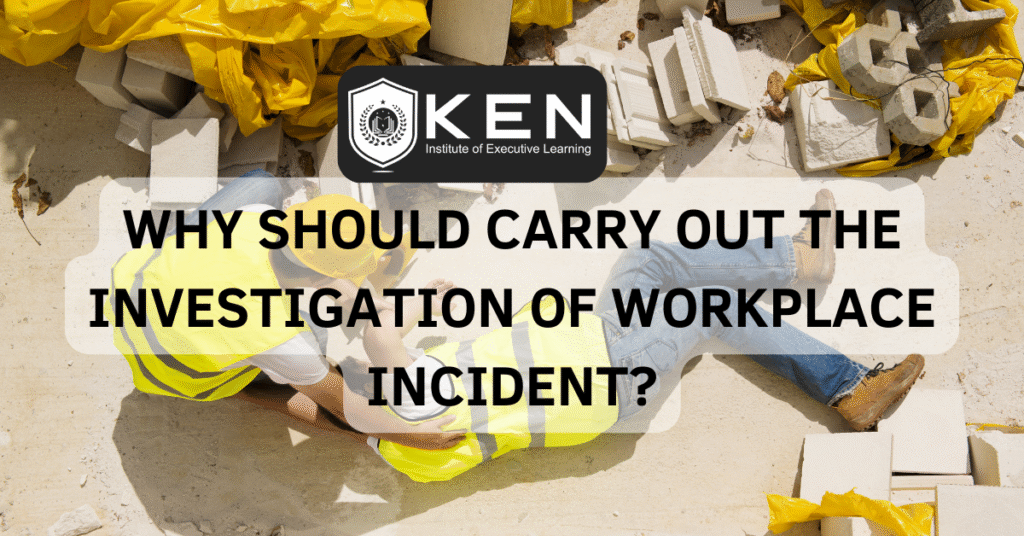
The prime purpose for the “Investigation of Workplace Incident” is not to find faults but to find facts that can take steps to collator actions, to find out the cause of incidents, and to prevent similar incidents in the future. The fact that an adverse event has happened indicates that the existing risk control measures […]
Behavioral – Based Safety
Behavior is what a person does or says, as opposed to what he or she thinks, feels, or believes. Behavior-based safety refers to the use of applied behavior analysis models to achieve continuous improvement in safety performance. In-depth research about what works and what doesn’t. Behavior-based safety programs appeal to companies because they make health and safety […]