An MBA in Health, Safety, and Environment (HSE) provides a unique, operational foundation for roles in Environmental, Social, and Governance sustainability and corporate governance (ESG). By blending technical safety expertise with strategic management, this degree prepares professionals to build safer, more resilient, and sustainable organizations. While traditional MBAs focus only on finance and strategy.
70% of ESG hires come from non-specialist backgrounds via upskilling Progress to senior roles in 2-4 years with proven ROI from ESG initiatives.
Support of an MBA in HSE, ESG & Corporate Governance Roles
HSE-specialized MBAs provide the “E” and “S” data foundations (e.g., incident metrics, emissions audits) that generic ESG programs lack, making graduates ideal for roles in sustainable operations and board-level assurance.
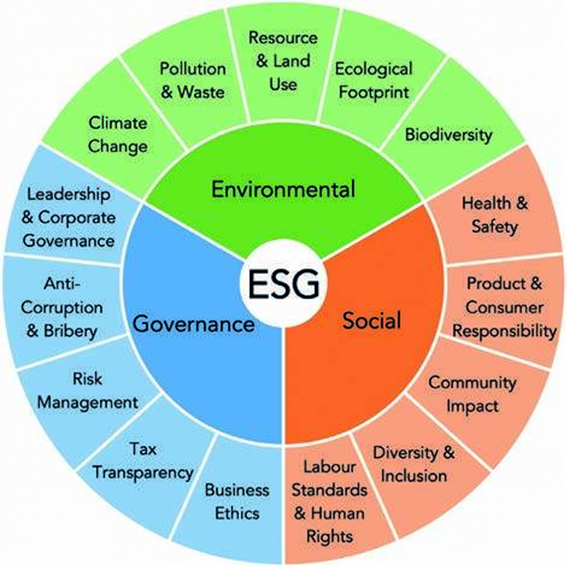
Image Source: sleep4performance
Risk Mitigation and Operational Safety (The ‘S’ and ‘E’ in ESG):
HSE managers are inherently skilled at identifying operational, environmental, and social risks. This MBA expertise directly translates to managing ESG risks, such as preventing hazardous environmental incidents, reducing workplace injuries (a key ‘Social’ metric), and ensuring compliance with labor regulations.
Integrating Social and Employee Well-being :
Safe and healthy workplaces directly improve employee productivity and
engagement. MBA,HSE leaders manage human health, community impact, and working conditions, directly impacting a company’s social rating.
Strengthening Compliance and Governance (The ‘G’ in ESG):
Strengthening oversight: Boards increasingly tie executive pay to ESG and HSE performance; HSE literacy is critical to design meaningful KPIs and control systems, not just tick-box metrics. The program deepens knowledge of statutory frameworks (like ISO 14001, ISO 45001) and global reporting standards – SASB, BRSR, GRI (Environmental, Social, and Governance / Business Responsibility and Sustainability Report / Global Reporting Initiative), providing the expertise necessary for transparent corporate reporting and auditing.
Policy and framework design: HSE management systems mirror governance frameworks (policy, risk assessment, controls, assurance, continual improvement), so it can help integrate HSE into enterprise-wide ESG governance.
Stakeholder assurance: Investors and regulators expect evidence-based assurance around safety, environmental impact, and human capital; MBA with HSE background supports internal control testing, audits, and responses to ratings agencies or assurance providers.
Driving Operational Sustainability:
An HSE, MBA focuses on resource efficiency, waste reduction, and energy efficiency. These practices reduce the carbon footprint, which is crucial for modern sustainability strategies and meeting net-zero targets.
Enhanced Data Management for Reporting:
These programs train professionals in measuring and analyzing (KPIs), enabling them to track and report on sustainability metrics accurately to stakeholders.
Career Path and Roles:
Graduates with an MBA in HSE are uniquely positioned for roles such as:
- Sustainability Manager/Head of Sustainability: Driving sustainability strategy.
- EHS & ESG Specialist: Combining safety with broader environmental goals.
- Sustainability Reporting Specialist: Handling BRSR, GRI, and TCFD disclosures.
- Corporate Governance Specialist: Ensuring ethical business practices.
Value-added, Compared with Generic MBAs
Risk and Compliance Fluency: Unlike a general MBA, an HSE-focused MBA makes you credible on regulatory “license to operate” risks, which investors and rating agencies now treat as material ESG factors.
Data and Reporting Foundations: It helps to understand what sits behind safety and environment metrics, so you can help design and assure ESG/BRSR/GRI -type disclosures that use robust HSE data instead of superficial narratives.
Operational Reality: ESG strategies often fail at site level; MBA, HSE experience means you know how to translate net-zero, zero-harm, or just transition goals into procedures, training, and KPIs that plants, projects, and contractors can actually execute.
Typical Roles of HSE Professionals, Enhanced by MBA in HSE
MBA in HSE Certification helps to:
- Bring structured risk thinking and HSE metrics into materiality, targets, and roadmaps in Sustainability & ESG strategy.
- Link regulatory HSE risk (incidents, non-compliance) to financial and reputational risk models.
- Use HSE data and systems to support integrated reporting frameworks like GRI, SASB, BRSR.
- Embed HSE criteria into procurement, contractor selection, and operational excellence programs.
- Prepare leaders for boardroom consensus on sustainability dilemmas.
- Translate board-level ESG commitments into policies, KPIs, executive scorecards, and site HSE programs.
Transition from General MBA to ESG Career
Transitioning from a general MBA to an ESG career involves leveraging your business acumen while building sustainability-specific knowledge through certifications, projects, and networking. This path is accessible since general MBAs already provide transferable skills like strategy and finance, which ESG roles demand. Emphasize that you are a “license-to-operate” and “risk-to-value” professional who can convert HSE performance into ESG outcomes, not just a safety specialist.
Top MBA Programs Specializing in HSE and ESG
Top MBA programs specializing in HSE and ESG blend technical health, safety, and environmental expertise with business strategy for sustainability roles. These programs are particularly valuable given your background in industrial safety and environmental compliance.
Global Leaders in MBA in ESG/Sustainability
| School | Location | Key Strengths |
| KEN Institute Of Executive Learning | India | A specialized MBA in Industrial Safety and Environmental Management designed specifically for working professionals in the HSE sector. Focuses on advanced management strategies and structured to help professionals transition into leadership roles. |
| IE Business School | Spain | #1 FT ESG rank; core courses on business-government-sustainability, electives in sustainable finance and impact investing. |
| IESE Business School | Spain | #2 FT ESG; sustainability concentration, research on ethics and circular economy. |
| Alliance Manchester | UK | #1 UK FT ESG; Manchester Method experiential learning, Not-for-Profit projects. |
| Yale SOM | USA | #9 FT ESG; integrates climate and social impact into core MBA |
| Griffith Business School | Australia | #1 Corporate Knights 2025; aligns with UN SDGs, courses like “Economics for a Sustainable Future” |
Governance & Strategy Certifications Leveraging MBA Leadership.
- Best Practice in ESG & Risk Management
- Certified ESG Analyst
- CFA ESG Investing Certificate
- GRI/IFRS/BRSR Compliance Certificate
- IICA Certificate
- IFRS Sustainability (FSA/SASB) Certificate
85% of ESG jobs value these certifications over degrees alone. Employers prioritize these for 2026 hires amid mandatory disclosures.
For versatility; complete MBA, HSE via online platforms like“KEN Institute of Working Professionals” keninstitute.com
Image Source: keninstitute.com
Summary
An MBA in HSE can position you strongly for ESG, sustainability, and governance roles because it gives you both technical risk/compliance depth and the business/strategy language ESG functions now demand.
It bridges the gap between high-level sustainability goals and on-the-ground, actionable compliance, protecting both people and the planet. Strategic Integration Skills position HSE MBA holders as governance assets, converting compliance into competitive value amid rising director liabilities for sustainability failures.
An HSE, MBA builds skills in policy design supports governance by enabling evidence-based board packs, third-party audits, and transparency on material risks.
Ethical Leadership of an MBA, HSE helps to enhance safety culture, behavioral audits, and community impact assessment foster ethical judgment, core to modern governance codes like King IV or UK Corporate Governance Code.
Join KEN Institute,
We believe in the importance of keeping abreast of the latest advancements in health and safety protocols. Regularly updating our students’ knowledge to help them stay informed about new best practices, and regulations, enabling to deliver the most relevant updates.
Join us and unlock a world of online courses in Mechanical Engineering, Occupational Health and Safety, Fire Safety, and Environment and Sustainability. Propel your career to new heights.
Propel your career to new heights.
Connect now and take the next step toward professional excellence!
+91 7569034271
Let’s connect together on: Facebook, YouTube, LinkedIn, and Instagram.