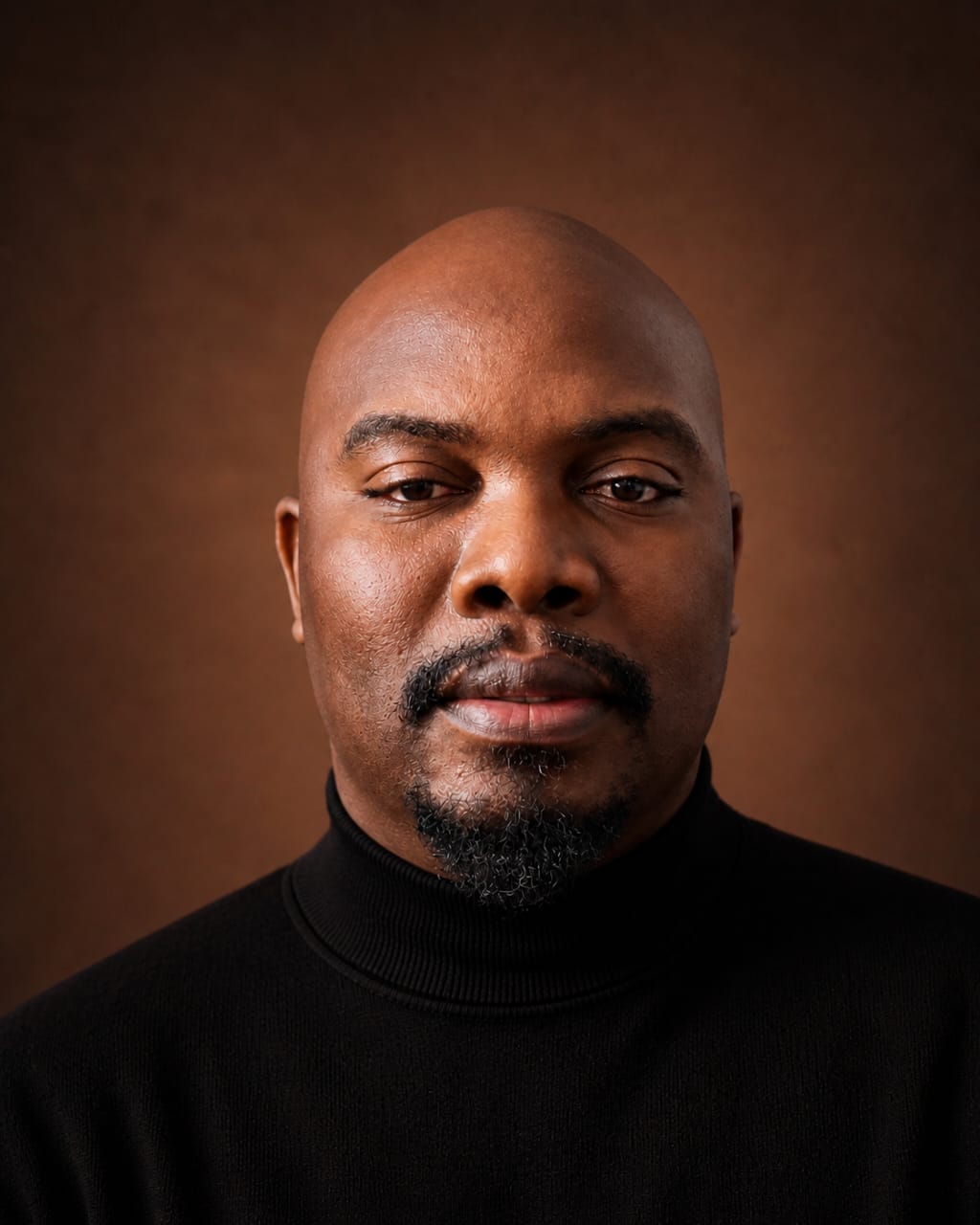
“Student: Chongo Nsama | Enrollment No: KEN/08-2025/MEEG/1152
Where I Started
I arrived at this programme with twenty years of mining engineering experience across six countries and a specific problem I could not yet solve rigorously: every morning at Bomboré Gold Mine, I watched four diesel generators consume millions of dollars of fuel beneath one of the best solar skies on the planet. I knew solar was the answer. I did not yet know how to prove it.
What I Learned
Module 1 — Renewable Energy Systems — gave me the engineering language for what I had been observing intuitively. Solar irradiance became a quantifiable resource. Grid stability in isolated microgrids became a design problem with known solutions. I stopped seeing the Burkina Faso sun as weather and started seeing it as data.
Module 2 — Energy Storage and Conversion — taught me why battery chemistry matters at 42 degrees Celsius. It is the reason I specified Lithium Iron Phosphate over NMC for the Bomboré BESS, and it is the difference between a system that works safely in the Sahel and one that does not. This module also opened my eyes to the waste heat our HFO generators reject to atmosphere daily — a recovery opportunity I had never quantified before.
Module 3 — Sustainable Design and Green Engineering — changed how I read a fuel bill. The 12,221 tonnes of CO2 Bomboré emits annually from power generation is not just an environmental figure. Under the Gold Standard carbon market it is a financial liability and a revenue opportunity simultaneously. I learned to speak that language, and it made my CAPEX proposal significantly more compelling.
Module 4 — Wind and Solar Energy Technologies — put the tools in my hands. HOMER Pro optimisation software, PV system sizing methodology, BESS dispatch logic, DC/AC ratio design for tropical high-irradiance sites. This is where the Bomboré Solar Hybrid feasibility study was born.
What I Will Build
Before the end of 2026, I will present the Bomboré Solar PV Hybrid Power System — a USD 14.95 million, 10 MWp solar plus 5 MWh BESS proposal with an IRR of 18.4% — to the Orezone executive team as a live capital investment submission. That proposal is the direct product of this programme.
Beyond Bomboré, I will publish this work, present it at industry forums, and use it to mentor engineering colleagues across West Africa who face the same diesel dependency problem. The tools this programme gave me are not mine to keep. They are mine to multiply.”