In 2026, workplace safety in the Middle East and Africa is seeing rapid advancements, digitization, and an increasing focus on both physical and mental health for workers. However, adoption of Occupational Safety and Health Management Systems (OSHMSs) remains low in several regions, with only a small fraction of companies meeting certification standards due to economic and implementation barriers.
Saudi Arabia is a frontrunner in adopting predictive workplace safety technologies, fueled by its Vision 2030 initiative emphasizing industrial diversification, safety, and automation.
Key Trends in Middle East Workplace Safety
Governments are enforcing rigorous safety protocols, particularly in high-risk sectors like construction and energy.
Summer heat stress rules are expanding, with UAE and Bahrain implementing daily bans on outdoor work during peak heat hours and providing cooling solutions and hydration.
Companies are investing more in advanced digital safety systems, including IoT-based sensors and AI-powered analytics, enabling real-time monitoring and predictive risk management.
Regular safety training and audits are now mandatory, with new training academies being launched to support ongoing workforce development.
Mental health support programs and counseling services for workers are becoming standard practice, reflecting labor law changes and employer recognition of workplace stress.

Image Source: allthingstalent
Developments Trends in Africa
Many African companies are moving towards comprehensive risk assessment, hands-on medical training for managing injuries, and improving safety awareness and hygiene in the workplace.
Large employers are prioritizing ergonomics, first aid, and CPR training, with regular safety awareness workshops.
Market Growth and Strategic Priorities
The workplace safety market in the region is growing at over 17% CAGR, driven by government regulations, mega projects, and rising awareness among employers.
Main priorities for 2026 include: comprehensive risk assessments, timely corrective actions, a no-blame culture, and a shift from rules-based compliance to proactive prevention.
Technology and Innovation
There is widespread adoption of smart PPE, wearable health trackers, and real-time incident reporting systems to address both immediate hazards and longer-term occupational health concerns.
Digital technologies are streamlining safety audits, compliance tracking, and hazard identification, particularly in sectors with dynamic risks such as energy, logistics, and manufacturing.
Mental Health and Well-being
Mental health is being formally integrated into safety protocols, with companies offering counseling and stress management programs.
Well-being initiatives now include cancer awareness, early detection wellness programs, and activities promoting personal accountability for safety.
Workplace safety for 2026 in the Middle East and Africa is marked by legal reforms, technological innovation, comprehensive training, and a significant shift in attitudes toward worker physical and mental well-being.
Top Digital Safety Technologies
AI-Powered Real-Time Monitoring: AI vision systems and analytics monitor worker behaviour, identify unsafe actions, and proactively flag near-miss incidents.
IoT Sensors and Smart PPE: Connected sensors continually track environmental conditions and worker biometrics. Smart helmets, vests, and wearables provide instant alerts and emergency notifications.
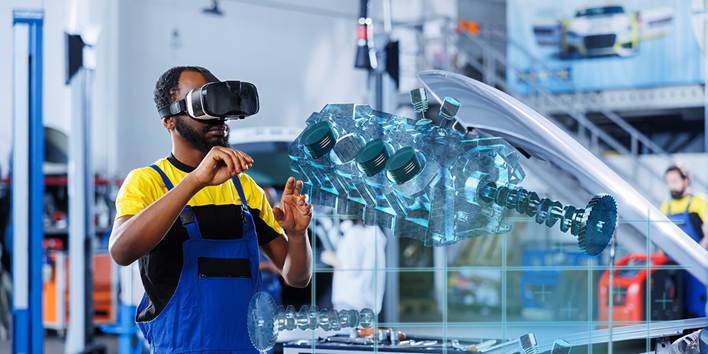
Image Source: columbiasouthern
Predictive Analytics Platforms: Organizations harness machine learning to analyze historical and real-time data, forecast emerging risks, and recommend targeted interventions. Predictive maintenance for machinery and risk scoring for tasks to minimize injuries and downtime.
Mobile and Cloud-Based Incident Management: Apps and platforms enable fast, decentralized incident reporting, mobile inspections, and compliance tracking even in low-connectivity, remote environments.
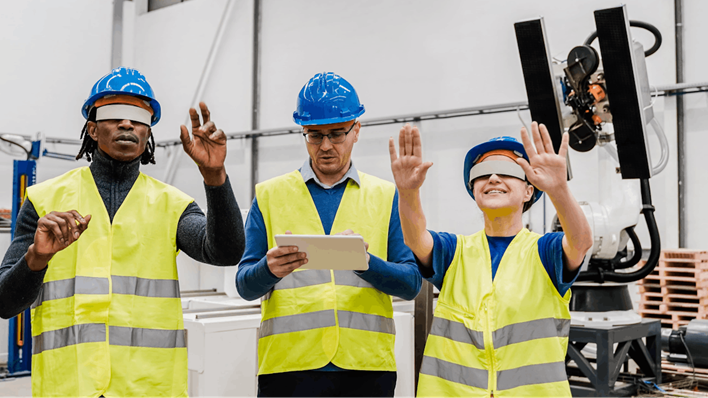
Virtual Reality and Simulation Training: Immersive VR modules deliver realistic safety procedure simulations and emergency drills, improving training effectiveness and operational readiness.
Digital Emergency Management Platforms: Unified digital systems link asset integrity, contractor safety, and process safety for comprehensive risk governance.
Automated Alerts and Workflow Integration: Platforms route instant hazard notifications to supervisors and field teams, triggering swift action and supporting regulatory compliance documentation.
Adoption & Impact on Workplace Safety in The Middle East And Africa
Regional leaders are piloting wearables and offline-capable mobile modules for remote sites, while large organizations implement data-driven prevention strategies and integrate safety workflows across multiple platforms. These innovation is making MEA workplaces more resilient, preventive, and worker-centric.
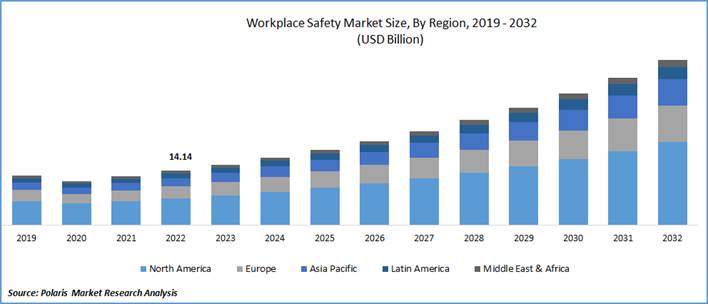
Image Source: polarismarketresearch
Success stories from 2026 include marked reductions in incidents, improved near-miss reporting, and a stronger culture of accountability through smart safety tech initiatives.
Industries in The Middle East and Africa (MEA) Led Adoption of New Safety Trends for 2026
Oil & Gas and Petrochemicals: This sector is a major adopter due to high-risk operations and stringent safety regulations. Predictive analytics is used for equipment maintenance prediction, process safety, and monitoring hazardous environments to prevent accidents.
Construction: construction companies are implementing predictive risk forecasting and real-time monitoring systemsAutomotive and Manufacturing: These industries are deploying machine vision, collision avoidance, and predictive maintenance analytics to enhance safety and optimize operations.
Healthcare: Safety systems in healthcare utilize predictive analytics for real-time monitoring, equipment safety, and safeguarding staff, driven by digitization and regulatory focus on patient and worker safety.
Transportation and Logistics: Predictive analytics improves fleet safety, collision avoidance, and maintenance scheduling in aviation, rail, and road transport.
Energy and Utilities: Along with oil & gas, sectors like power generation are implementing advanced predictive safety technologies for equipment and process safety.
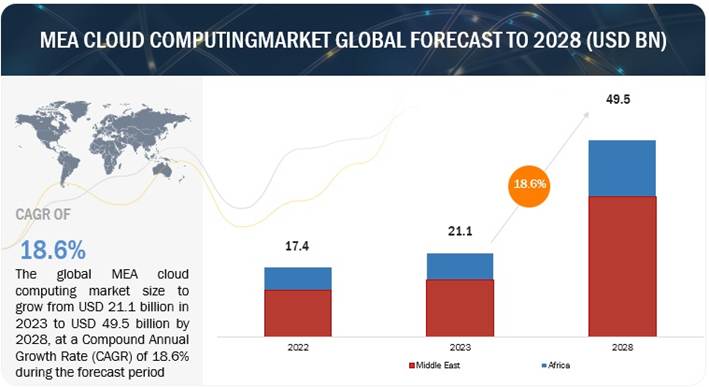
Image Source: marketsandmarkets
Technology Use Cases
Industries are driving the expansion of predictive safety analytics in the MEA region, combining regulatory mandates, safety priorities, and Industry 4.0 technologies to improve workplace safety outcomes in 2026.
- Predictive maintenance to anticipate machinery failure and prevent unsafe conditions.
- Risk forecasting and incident probability mapping to identify high-risk tasks and areas.
- Machine vision and AI-powered safety monitoring systems for real-time hazard detection.
- Integration of IoT-enabled sensors with data analytics for proactive safety management.
Measurable Safety Outcomes Deliver in 2026
Predictive safety analytics delivered measurable and impactful safety outcomes in MEA workplaces in 2026.
Key results include:
A significant reduction in workplace incidents by 25%.
Increased hazard reporting by 20%
- Improved accuracy in risk prediction, enabling safety managers to prioritize interventions which minimized injury probabilities and compliance violations.
- Faster response to emerging risks through data-driven safety, helping optimize resource allocation and training efforts.
- Economic benefits: cost savings from reduced incident rates, leading to fewer equipment failures and operational downtimes.
- Enhanced worker confidence and organizational alignment with environmental, social, and governance, contributing to a stronger, prevention-focused safety culture.
Predictive Analytics
predictive analytics shifted MEA workplaces in 2026 from reactive to proactive safety management, leading to safer environments, better compliance, and improved operational efficiency.
How predictive models reduced specific injury types in 2026
Predictive models in 2026 significantly reduced specific injury types in workplaces, including those in the Middle East and Africa, by leveraging advanced AI and machine learning techniques.
Key Ways Predictive Analytics Reduced Injury Types in MEA:
Specific Injury Reductions
Musculoskeletal and Soft Tissue Injuries: Predictive models analyzing patterns helped reduce non-contact soft tissue injuries like hamstring strains by up to 72% and ACL tears by 65%. AI identified risky movement mechanics early, allowing corrective training interventions.
Overuse Injuries: Models predicted fatigue and overuse-related injuries with an 81% reduction success rate by monitoring workload, rest periods, and physical stress indicators.
Slip, Trip, and Fall Hazards: AI integrated with IoT sensors forecasted environmental and situational risks leading to falls, allowing timely interventions and area maintenance.
Heat Stress and Environmental Injuries: Predictive analytics combined with environmental sensor data helped manage heat-related risks, reducing heat stress incidents through proactive breaks and hydration protocols.
Equipment and Mechanical Failure Injuries: Predictive maintenance analytics forecasted machine failures leading to equipment malfunction.

Image Source: hbs
Outcomes Achieved from Trends in MEA Workplace Safety for 2026
- Up to 25-40% overall reduction in workplace
- Enhanced safety culture and proactive management of risks
- Significant economic benefits
- Improved employee wellbeing.
Summary
Trends in MEA Workplace Safety for 2026 achieved targeted reductions in musculoskeletal, overuse, environmental, and equipment-related injuries through early detection, personalized interventions, and real-time hazard management, driving safer workplaces in the Middle East and Africa and beyond.
===================================================
Join Us!
Our aim is to inspire businesses to prioritize their employees’ well-being and safety and view it as a strategic investment rather than a regulatory obligation. We provide our students the opportunity to leverage their position of authority to improve their competitiveness!
Join us and unlock a world of online courses in Mechanical Engineering, Occupational Health and Safety, Fire Safety, and Environment and Sustainability. Propel your career to new heights.
Propel your career to new heights.
Connect now and take the next step toward professional excellence!
+91 7569034271
Let’s connect together on: Facebook, YouTube, LinkedIn, and Instagram.