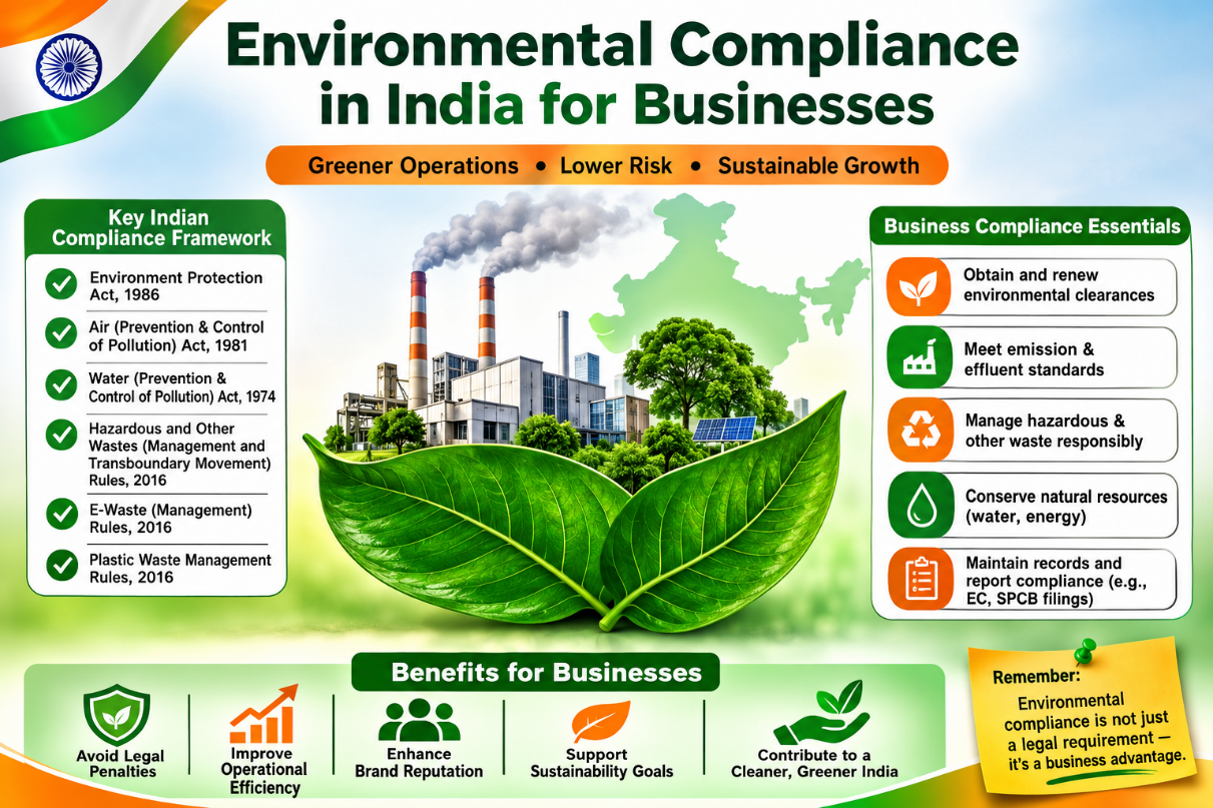
Industries are increasingly seeking Health, Safety, and Environment (HSE) leaders with strong business acumen because safety is no longer viewed as a stand-alone compliance function, but as a strategic driver of operational success. Companies recognize that effective HSE, when aligned with business goals, reduces costly incidents, boosts productivity, and enhances investor confidence. HSE leaders who understand business fundamentals, such as financial metrics, market trends, and strategic goals, can bridge the gap between safety protocols and the company’s bottom line.
Skills of HSE Leaders with Strong Business Acumen
By aligning HSE with overall corporate strategy, modern HSE leaders help to create a culture where safety is a business enabler rather than a roadblock.
Connecting Safety to Profitability
Financial Literacy and Cost Optimization: Effective HSE management directly impacts a company’s financial health by preventing “extraordinary costs”.
Business-savvy HSE leaders can:
Quantify ROI: They translate safety improvements into measurable financial gains, such as lower insurance premiums, reduced workers’ compensation expenses, and avoided regulatory fines.
Resource Allocation: Understanding financial statements allows them to effectively manage budgets and prioritize projects that offer the highest impact on safety and profitability.
Reduce Downtime: By proactively identifying hazards, they prevent incidents that cause costly work stoppages and production delays.
Cost Reduction & Optimization: Business-savvy HSE leaders understand that effective safety management minimizes downtime, insurance premiums, workers’ compensation expenses, and legal liabilities.
Preventing Financial Losses: A single major safety incident can cause catastrophic financial damage. Leaders with business acumen proactively manage these risks, saving company resources.
Operational Efficiency: Instead of being viewed as a hurdle, HSE leaders with business acumen integrate safety protocols into operational workflows, ensuring safety measures “keep progress moving without compromising safety”.
2. Driving Strategic Growth and Sustainability
ESG Compliance: Investors and clients increasingly prioritize Environmental, Social, and Governance performance. Skilled HSE leaders ensure the company meets these criteria to attract investment and partnerships.
Brand Reputation & Trust: A strong safety record builds external trust with stakeholders, which is crucial for brand value and reputation.
Supply Chain Demands: Larger contractors and clients often require documented, high-level HSE competence, making strong HSE leadership a contract-winning asset.
3. Integrated Risk Management and Decision-Making
Systemic Thinking: Modern HSE leaders look beyond immediate risks to understand how their decisions impact the entire organization’s structure, workflows, and culture.
Data-Driven Decision Making: By leveraging data analytics, IoT sensors, and AI-powered insights, they transition from reactive safety to proactive hazard mitigation. The integration of digital tools and predictive analytics, HSE leaders can interpret complex data to inform business decisions.
Predictive Mitigation: Instead of waiting for accidents, they use real-time dashboards to identify trends and address risks before they escalate.
Evidence-Based Solutions: They move away from “guessings” to solutions rooted in sound analysis, making them more credible to executive boards.
Adapting to Complexity: In high-risk industries like energy, construction, and manufacturing, these leaders can navigate changing, complex regulations while maintaining productive business operations.
4. Alignment with ESG and Sustainability
As global markets shift toward Environmental, Social, and Governance (ESG) accountability, HSE has become central to corporate governance audits.
Stakeholder Confidence: Investors and clients now demand transparent HSE documentation as a prerequisite for doing business.
Future-Proofing: Leaders with business acumen ensure HSE frameworks are adaptable to evolving international standards like ISO 45001 and ISO 14001.
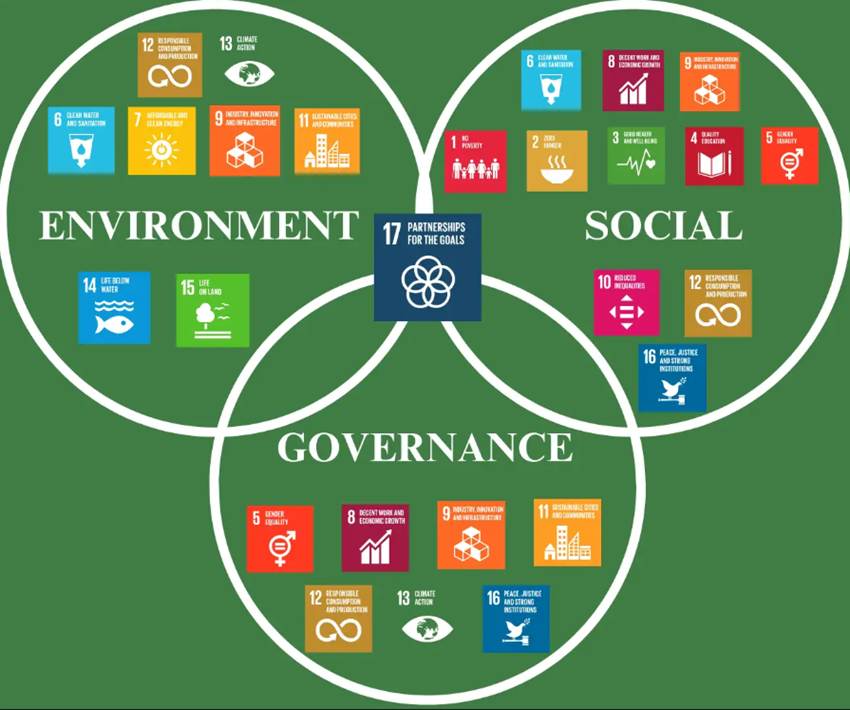
Image Source: https://proindia.net/
5. Cultural Transformation
Moving Beyond Compliance: They turn safety from a “checklist” into a core business value, fostering a culture of collective responsibility that increases employee morale and engagement.
Improved Productivity: A safe workforce is a productive one. Skilled HSE leaders enhance employee well-being and reduce absenteeism, directly increasing productivity.
Competitive Advantage: A strong HSE record is a source of differentiation, helping companies attract ethical investors and secure high-value contracts.
6. Improved Workforce Engagement
A leader who can communicate the “why” behind safety initiatives in business terms fosters a culture of collective responsibility.
Employee Morale: When workers see that safety is embedded in every decision, it builds trust and loyalty, which improves productivity and retention.
Talent Attraction: Increasingly, job seekers (especially younger generations) prioritize employers whose values align with safety and sustainability.
To be furnished with all above skills and to transform from mere HSE leaders in to “HSE Leaders with Strong Business Acumen”, Ken Institute Of Executive Learning
( https://keninstitute.com/ ) provides MBA in Industrial Safety & Environmental Management Online Course.

HSE Leaders with Strong Business Acumen – Strategic Alignment
HSE roles have expanded beyond compliance to integrate safety with business outcomes, such as productivity, reputation, and ESG reporting. Leaders must communicate how safety investments drive commercial value, enabling board-level influence and resource advocacy.
Enhanced Decision-Making
Business acumen equips HSE leaders to evaluate risks alongside financial and operational impacts, improving resource allocation and innovation. This skill gap is evident in leadership pipelines, where technical proficiency alone no longer suffices for senior positions.
Evolving Industry Trends
In 2026, HSE careers demand a strategic mindset amid digital tools, sustainability pressures, and cultural ownership of safety. Hiring managers prioritize those who link safety to broader goals like cost reduction and long-term resilience.
HSE Career Progression
Business acumen significantly accelerates HSE career progression by enabling professionals to shift from tactical compliance roles to strategic leadership positions. It bridges technical safety knowledge with business priorities, making candidates more competitive for promotions and senior roles.
Enables Strategic Influence
HSE leaders with business acumen can link safety initiatives to commercial outcomes like productivity, ESG goals, and profitability, earning board-level credibility. This skill allows influencing beyond operations, such as advocating for investments during audits or cultural shifts.
Boosts Promotion Opportunities
Professionals demonstrating strategic thinking advance faster, moving from advisor or manager to director roles by owning multi-site strategies and cross-functional projects. Employers prioritize those pairing compliance expertise with commercial awareness over qualifications alone.
Supports Long-Term Employability
In evolving sectors, business acumen future-proofs careers amid demands for data-driven risk management and sustainability alignment. It enhances visibility through pragmatic advice and relationship-building, standing out in competitive job markets.
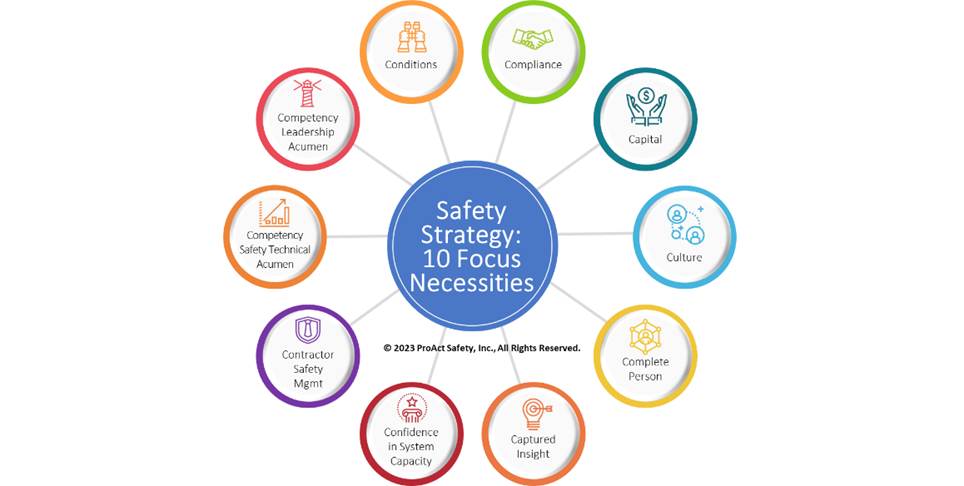
Image Source: https://proactsafety.com/
How Can HSE Professionals Develop Business Acumen Skills
HSE professionals can develop business acumen through targeted learning, practical exposure, and strategic networking, building on their technical expertise. This enhances their ability to align safety initiatives with organizational profitability and growth.
Structured Learning
Start with self-assessments to identify gaps in financial literacy and strategic thinking, then pursue online courses, certifications, or mini-MBAs focused on business fundamentals. Reading industry reports and books on leadership equips HSE experts to understand P&L statements and market dynamics.
Hands-On Experience
Seek cross-functional projects, such as budgeting for safety programs or contributing to ESG strategies, to apply concepts in real scenarios. Participate in business simulations or shadow executives to practice decision-making under pressure.
Mentorship and Networking
Find mentors from business leadership to gain insights on commercial impacts of HSE decisions, and join professional networks discussing trends like sustainability ROI. Regularly analyze company performance metrics to link safety outcomes to business success.
Influence and Communication: Advanced persuasion skills to “sell” safety initiatives to stakeholders, coupled with data-driven reporting, build executive buy-in. Strong negotiation secures cross-functional support for safety culture changes.
Summary
Industries increasingly seek HSE leaders who combine technical expertise with strong business acumen to align safety strategies with organizational goals. This shift reflects evolving demands for strategic influence in high-risk sectors like manufacturing, energy, and construction.
The role of HSE leaders has shifted from a compliance-focused “gatekeeper” to a strategic partner that directly impacts profitability, reputation, and operational resilience. A strong HSE leader with business acumen acts as a strategic partner who understands that “what is best for the business is best for the people that work there”.
Join KEN Institute and take the next step toward professional excellence
We believe in the importance of keeping abreast of the latest advancements in health & safety protocols, Environment & Sustainability and Mechanical Engineering. Regularly updating our knowledge helps us stay informed about new best practices, and regulations, enabling us to deliver the most relevant updates to our students.
Connect now and take the next step toward professional excellence!
+91 7569034271
Let’s connect together on: Facebook, YouTube, LinkedIn, and Instagram