Higher education accelerates professionals in industrial risk management from analyst to leadership roles with specialized skills in hazard assessment, compliance, and strategic decision-making and leads to career progression. It gives impetus to careers in industrial risk by transforming theoretical knowledge into industry-relevant competencies through structured partnerships and technology-driven curricula. Programs like postgraduate diplomas and certifications bridge technical expertise with enterprise-level risk frameworks, highly relevant for occupational health and safety specialists in industries.
The Ways Higher Education Drives Career Acceleration
Curriculum Alignment with Market Demands: Leading institutions are revamping curricula to include “Detailed Work Activities” (DWAs) that directly correlate with higher graduate earnings.
For example, a study analyzed 1.4 million syllabi to show that teaching specific high-demand skills, like evaluating programs, effectiveness or regulatory documentation, significantly boosts early-career salary potential.
Industry-Academia Partnerships: Strategic collaborations allow students to move beyond textbooks to real-world applications. Programs provide hands-on experience with cutting-edge tools, ensuring graduates are “job-ready” from day one.
Experiential and Practical Learning: Higher education provides critical “hand-on” opportunities such as capstone projects, simulated risk assessments, and mandatory internships—which are often the most valued criteria by employers during recruitment.
Development of “Meta” and Soft Skills: Beyond technical expertise, institutions foster advanced problem-solving, critical thinking, and leadership skills.
Lifelong Learning and Micro-credentials: Institutions now offer flexible, modular courses and industry certifications (e.g., in cybersecurity or renewable energy) that allow professionals to upskill rapidly in response to new industrial threats or regulatory changes.
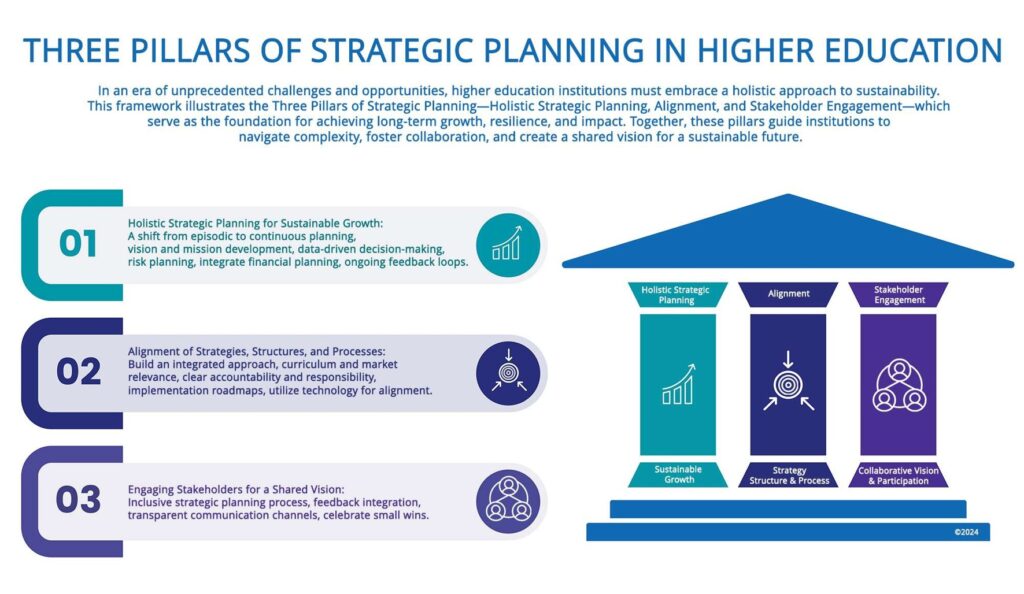
Image Courtesy: changinghighered
Top Entry-Level Certifications
Enterprise Risk Management (ERM) Level 1: Modular exam-based program for students/professionals; covers ERM basics, governance, and resilience; ideal alongside graduation or entry jobs. For industrial risk beginners serves as an excellent entry point, offering foundational skills in risk identification and assessment. Similar certifications build comparable expertise for occupational health, safety, and enterprise risk roles in manufacturing and compliance-heavy sectors.
ISO 45001 Lead Implementer: Teaches OHS management systems; for compliance roles in factories/mining.
Global Risk Management – Securities Markets in Financial Services: Entry-level for operational/financial risks; capital markets and logistics.
Key Programs in Industrial Risk Management
HSE MBAs and ESG Certifications: highly sought-after skill set in 2026, driven by tightening regulatory frameworks, such as BRSR (Business Responsibility and Sustainability Report) and a global corporate shift toward sustainable operations.
Post Graduate Diploma in Risk Management (PGDRM): Comprehensive training in enterprise, operational, and cyber risks through case studies and internships, preparing graduates for immediate corporate roles.
Risk Management Multi-Level Certifications: starting from Level 1 exams alongside undergrad studies, lead to Certified Risk Manager (CRM) status and suit engineering backgrounds in industrial safety.
ISO 45001 And OSHA-Related Courses: focus on occupational health systems, hazard controls, and emergency preparedness, integrating with ISO 14001 for environmental compliance valued in manufacturing and mining.
Sustainability and Climate Risk (SCR) Certificate: provides pivotal knowledge into the complex territories of sustainability, climate risk, nature risk, transition planning to improve their industrial climate risk mitigation efforts.
“These options leverage your expertise in accident investigations and regulations for sustainable advancement.”
“All the above beginner level & the Key certification Programmes are provided online by KEN Institute of Executive Learning, India”
( visit: keninstitute.com ).
KEN Institute aims to educate, inform, and inspire both employees and employers about the best practices in occupational health and safety, Environment & Sustainability. KEN believes that every workplace injury or illness is preventable, and through education and awareness, we can make a difference.
Career Progression
Benefits for Beginners
These certifications accelerate careers by providing globally portable credentials, with ERM Level 1 exempting from advanced tracks and enabling risk analyst roles at higher income.
They align with your focus on hazard assessment and regulations, offering hands-on tools like PDCA cycles for industrial incidents stack with HSE interests for ESG pivots. They also emphasize proactive prevention, boosting CVs for multinational firms amid 2026 regulatory pushes like BRSR.
Benefits for Professionals
Higher Educations boost employability, with these certificates holders accessing substantial earnings, leadership in risk governance, and faster promotions via proven skills in audits and incident investigations.
“HSE professionals’ interest in HSE MBAs and ESG certifications aligns perfectly; stacking these with GARP (Global Association of Risk Professionals) SCR enhances transitions to ESG Risk Manager roles amid BRSR mandates.”
Case studies in programs like PGDRM demonstrate real-world application, reducing the education-employment gap and positioning alumni for senior HSE/ESG integration in various industries.
Salary Growth after Higher Education in HSE
Higher qualifications, drive significant salary growth for industrial risk professionals by validating expertise in enterprise frameworks. Certified holders see 20-40% higher pay than non-certified peers.
Growth Factors
Higher Certifications such as MBA in HSE, boost earning potential through faster promotions to Head of Risk roles, especially in BFSI (Banking, Financial Services, and Insurance), IT, and industrial sectors.
Summary
In industrial risk, the ability to manage uncertainty and think ethically about “should we” rather than just “how” is a major career differentiator.
As industries transition from Industry 4.0 to Industry 5.0, the focus shifts from pure automation to human-centric, resilient, and sustainable risk management. Institutionsprovide access to alumni provide access to alumni networks and mentorship programs, such as Alumni Mentoring, which are critical for navigating high-stakes career paths.
Higher educations impact Career Outcomes in industrial risk with Job security at important positions by educating professionals in specialized fields like engineering and risk management. Certified professionals earn significantly more (approx. 84% over a lifetime) than those without a degree, with technical fields bridging the largest gaps.
Join Ken Institute now to advance your career with Higher Certification in HSE!
Internationally recognized courses and training programs designed to empower individuals and organizations. Our commitment is “academic excellence, quality standards, and robust training processes”.
We ensure that our courses remain updated, relevant, and aligned with the latest industry best practices. These steps strengthen our mission to deliver globally recognized certifications and create safer, smarter workplaces worldwide.
Connect now and take the next step toward professional excellence!
+91 7569034271
Let’s connect together on: Facebook, YouTube, LinkedIn, and Instagram.