
How Wind Turbine Design is Shaping the Future of Renewable Energy
Wind turbine design plays a critical role in shaping the future of renewable energy by driving efficiency, cost-effectiveness, and scalability. Wind turbine innovation is not just about making wind power more efficient; it’s about transforming how we produce, distribute, and use energy. This ongoing evolution ensures that wind energy remains a cornerstone of a sustainable […]
Who Is Responsible for Risk Assessment & When to Conduct Them
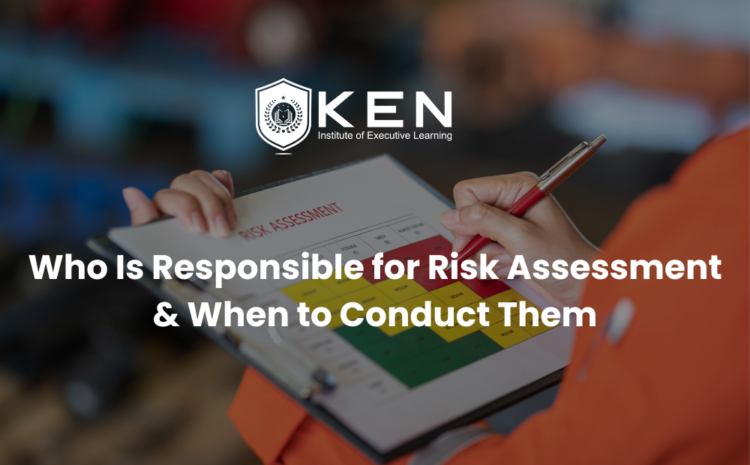
A “Risk Assessment” is one of the major components of a risk analysis. It a systematic process used to identify potential hazards and risks in a situation, then analyze what would happen should these hazards take place. As a decision-making tool, risk assessment aims to determine which measures should be implemented to eliminate or control those […]
Communication Training Hazard: What It is and Why It is Critical for Workplace Safety!
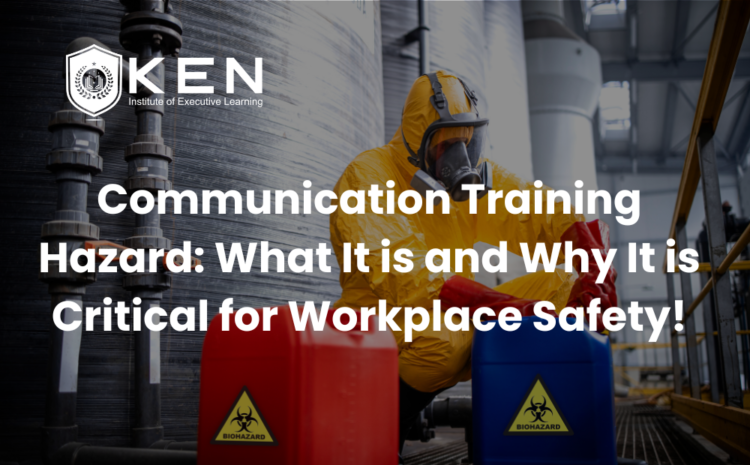
The bustling world of modern industry, ensuring a safe workplace is not just a legal obligation but also a moral imperative. One of the cornerstones of this endeavor is Hazard Communication Training. This specialized training is designed to educate employees about the potential chemical hazards they may encounter, and more importantly, how to handle them […]
Why Upgrading Equipment is Essential for Safer Workplaces!

Workplace safety is a top priority for any organization, particularly in industries with high-risk environments such as construction, manufacturing, healthcare, and logistics. One of the most effective ways to enhance safety is by regularly upgrading equipment. Upgrading equipment is not just an operational improvement, it’s a critical investment in workplace safety. By ensuring compliance, enhancing […]
A Step-by-Step Guide to Conducting a Comprehensive Incident Investigation
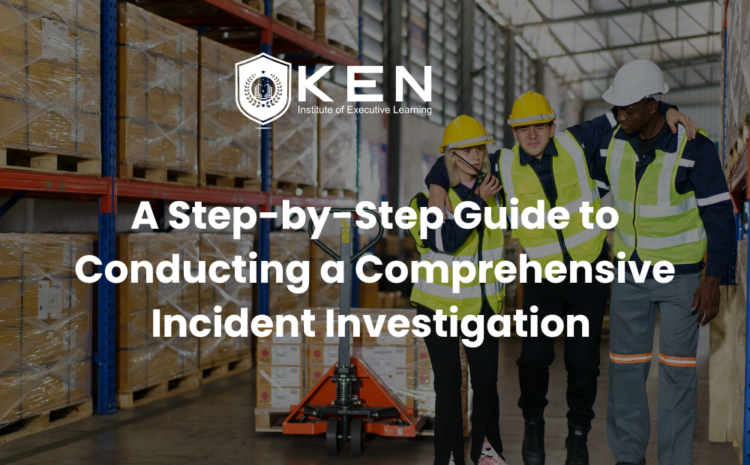
A Step-by-Step Guide to Conducting a Comprehensive Incident Investigation is a structured framework designed to help organizations effectively analyze and address incidents that disrupt normal operations, such as workplace accidents, security breaches, or system failures. The goal is to identify the root causes, learn from the event, and implement measures to prevent recurrence. The primary […]
10 Essential Safety Guidelines for a Secure Automotive Repair Shop Environment
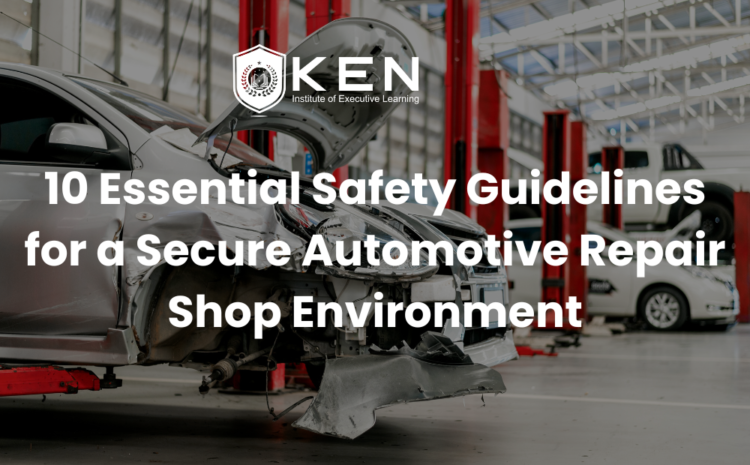
Ensuring a safe environment in an automotive repair shop is crucial to protect employees, customers, and the business. Creating a safe environment requires attention to detail and adherence to strict safety protocols. By following these safety rules, you can minimize accidents, ensure compliance with safety regulations, and create a productive work environment in your automotive […]
A Spill Kit: Exploring Its Types, Uses, and Essential Components
What is a Spill Kit? A spill kit is a specialized set of tools and absorbent materials used to contain, clean up, and manage hazardous or non-hazardous spills. Spill kits are essential, indispensable safety tools for any facility handling liquids, chemicals, oils, fuels, or other potentially harmful substances that could pose a hazard to people […]
The Importance of HIRA in Building a Safer Work Environment
Hazard Identification and Risk Assessment (HIRA) is a vital process in ensuring workplace safety. It systematically identifies potential hazards and assesses the associated risks to reduce workplace accidents, injuries, and health issues. The importance of HIRA in building a safer work environment cannot be overstated. Hazard identification and risk assessment are two processes necessary for […]
Top 5 Benefits of Implementing an OHS Management System in Your Workplace
According to estimates by various studies, over the past decade, numerous workers have been killed while working! Many more workers have been injured or left disabled due to workplace accidents and the loss of properties worth billions of dollars. That’s why companies of all sizes and in all sectors are keen to reduce their workers’ […]
Applications of the Law of Conservation of Energy in Engineering
In 1845, German physician Julius Robert Mayer discovered The Law of Conservation of Energy. The law states that “Energy cannot be created or destroyed, only transformed from one form to another or transferred between objects”. This principle has a wide array of applications in modern engineering across various fields, ensuring energy efficiency, sustainability, and optimal […]